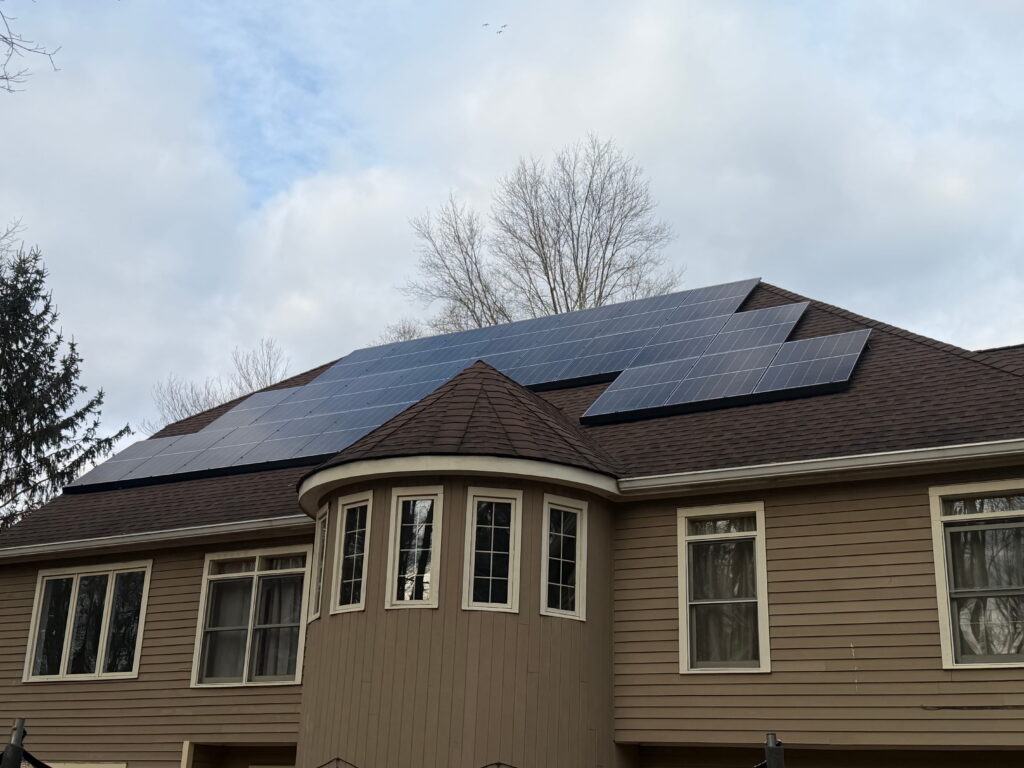
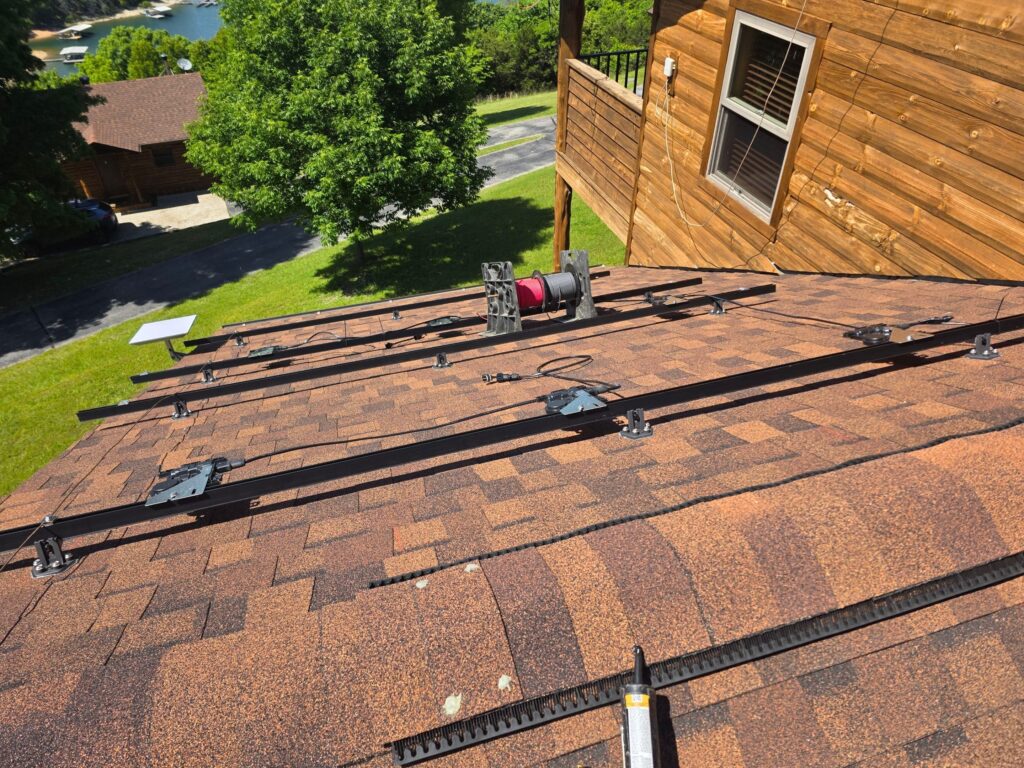
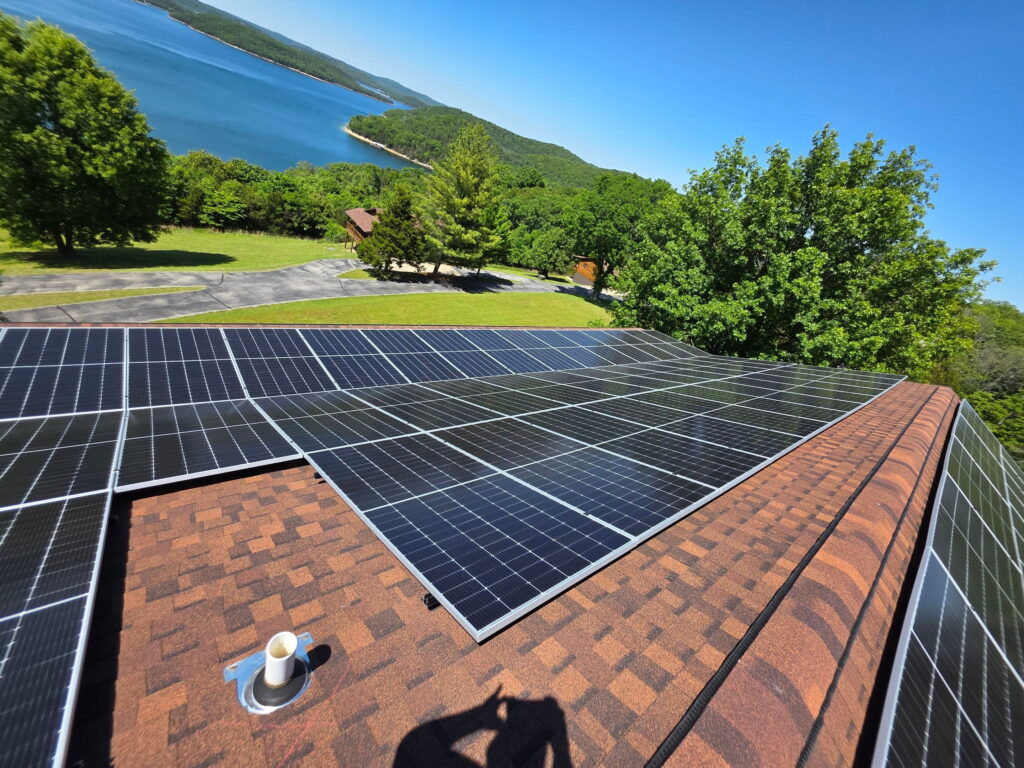
Tile roofs can carry residential solar arrays safely when the mounting hardware is designed for specific tile profiles and installed correctly.
The right tile roof solar mounting aesthetics solution preserves curb appeal, avoids cracked or shifted tiles, and transfers loads into the structure without turning the tile into a load-bearing element. This is where modern tile hook systems excel, allowing PV arrays to integrate cleanly with existing roof lines while maintaining visual harmony and meeting code requirements.
Here’s how tile roofing actually behaves under solar loads, and why advanced mounting approaches make this possible without compromising durability or design.
| TL;DR A tile roof solar mounting solution keeps aesthetics intact when loads are transferred into the structural framing and tiles remain purely a weather surface. Tile hooks lift the array above the tile plane, preventing compression, cracking, and visual distortion. This aligns with ASCE 7 load principles, which direct gravity and wind loads into rafters or trusses, not roofing materials. TRT03 tile hooks preserve roof appearance by matching tile profiles and relying on stamped calculations rather than field improvisation. |
Why Tile Roof Aesthetics Matter in Solar Installations
Tile roofs are chosen for a reason. Homeowners invest in them for longevity, visual uniformity, and property value. Any solar installation that disrupts that appearance immediately raises concerns, even if the system is technically functional.
Unlike how solar mounting behaves differently on asphalt roofs, tiles are rigid and profile-driven. They do not flex to accommodate hardware pressed against them. When mounting systems ignore this reality, the result is predictable:
- Cracked tiles at attachment points
- Lifted or uneven tile courses
- Visible hardware protruding above the roof plane
- Long-term water and replacement issues
For AHJs and inspectors, these visual problems are red flags. A distorted tile surface often indicates that tiles are carrying load or being forced into unnatural positions. That is why tile roof solar panel aesthetics are often treated as a proxy for installation quality and roof safety.
When the mounting system respects the tile profile and keeps the tile non-structural, the finished array looks intentional, clean, and inspection-ready.
How Tile Roofs Actually Behave Under Solar Loads
Tile roofs are not fragile, but they are unforgiving. Understanding how loads move through the roof explains why aesthetics and performance are directly connected.
1. Structural Loads Bypass the Tile
Solar dead load, wind forces, and environmental loads must transfer into rafters or trusses. Tiles are not designed to carry compression, shear, or uplift forces from PV systems.
A properly designed tile roof solar mounting system creates a load path that:
- Anchors directly into the structural member
- Passes between tiles rather than pressing onto them
- Maintains consistent clearance above the tile surface
When this happens, tiles continue performing their intended role as a weather layer only.
Roofing standards require penetrations through concrete and clay tile roofs to be properly flashed at the deck level, reinforcing that tiles function as a weather surface rather than a load-bearing element under roof flashing requirements for tile roofs.
2. Tile Profiles Dictate Hardware Geometry
Tile roofs vary widely. S-tiles, W-tiles, and flat tiles each create different vertical and lateral clearances. Hardware that does not match the profile forces installers to adjust tiles in the field, which often leads to breakage or misalignment.
Profile-matched tile hooks avoid this by rising naturally through tile valleys and supporting the array without altering tile placement.
3. Wind Loads Reveal Poor Mounting Choices
Wind uplift is often the dominant load case on tile roofs, especially in coastal or high-wind regions. When hardware presses on tile rather than tying cleanly into framing, uplift forces can crack tiles or shift courses over time.
Tile hooks isolate the tile from uplift forces by maintaining separation between the mounting hardware and the tile surface.
Why Tile Hooks Preserve Aesthetics Better Than Other Methods
Tile hooks exist to solve a specific problem: how to mount solar without asking the tile to do any work.
Rather than resting hardware on tile or forcing tiles flat, tile hooks attach structurally and rise above the roof surface in a controlled way.
What Tile Hooks Do Correctly
- Maintain clearance so tiles are not compressed
- Allow tiles to sit naturally after installation
- Keep array planes consistent across the roof
- Prevent visible tile distortion around attachments
This is why tile hook systems dominate appearance-sensitive markets. The cleaner the install looks, the more likely it is that the roof system was respected.
TRT03 tile hooks are designed with these outcomes in mind, supporting multiple tile profiles while maintaining predictable spacing and consistent visual results.
Matching the Tile Hook to the Tile Profile
Not all tile hooks are interchangeable, which is why understanding how tile hooks work on different tile profiles matters before selecting hardware. Profile mismatch is one of the most common causes of aesthetic failure on tile roof projects.
S-Tile (Mission / Spanish)
S-tiles have deep curves and wide valleys. Hooks must provide sufficient vertical rise to clear the tile without forcing it upward. Improper hooks often cause tiles to rock or crack at the contact point.
W-Tile
W-tiles are shallower but still require profile-specific clearance. Hooks that are too tall or too short create uneven tile seating and visible inconsistencies.
Flat Tile
Flat tiles have the least tolerance. Any compression or leverage at the tile edge is immediately noticeable. Hooks must lift cleanly and maintain even spacing across the array.
Using the correct hook geometry is not just a mechanical decision. It determines whether the roof looks untouched after the array is installed.
How Tile Roof Mounting Appears in Finished Installations
Aesthetic outcomes are easiest to evaluate after the install is complete.
| Mounting Approach | Tile Damage Risk | Visual Result | Inspection Risk |
| Generic brackets | High | Uneven tiles, visible stress | High |
| Tile cutting methods | Medium | Permanent visual scarring | Medium |
| Profile-matched tile hooks | Low | Clean, uniform roofline | Low |
Installations that preserve tile geometry tend to pass inspections faster because the roof surface itself confirms that loads are being managed correctly.
How Installers Maintain Tile Integrity During Solar Mounting
Tile roofs require more care than asphalt, but they do not require complexity when the right system is used.
1. Confirm Tile Condition Before Installation
Solar should only be installed on tile roof that are intact and properly seated. Existing cracks, loose tiles, or aging roofs should be addressed before mounting begins.
2. Identify Structural Attachment Points
As with any roof type, attachment must engage rafters or trusses. Layout accuracy matters more on tile roofs because improper placement can force tile removal or adjustment.
3. Allow Tiles to Float Naturally
Tiles should not be forced flat or wedged around hardware. The hook should rise into place while the tile settles back into its original position.
4. Maintain Consistent Spacing Across the Array
Uniform spacing helps distribute loads evenly and creates a visually straight array plane, something inspectors and homeowners both notice immediately.
5. Follow Stamped Calculations, Not Assumptions
Tile roofs vary widely by region and installation method. Spacing, attachment count, and layout should always follow PE-stamped calculations rather than rule-of-thumb spacing.
AHJ Expectations for Tile Roof Solar Installations
Inspectors typically focus on three visible indicators during tile roof inspections:
- Tiles remain intact and evenly seated
- Hardware does not appear to load the tile
- Structural attachment is documented and traceable
When any of these are unclear, inspectors may request additional photos, details, or revisions.
Providing clear documentation and a clean-looking install reduces questions during both plan review and final inspection.
If your team needs context on avoiding common permit issues, the permit rejection guide outlines the most frequent AHJ comments and how to pre-answer them.
Product Spotlight: TRT03 Tile Hook System
System: TRT03 Tile Hook Solar Mounting System
Designed For:
- S-tile roofs
- W-tile roofs
- Flat tile roofs
Key Characteristics:
- Profile-matched hook options
- Structural attachment into framing
- Tile remains non-load-bearing
- Clean visual integration with finished roof
Certifications:
- UL 2703 listed
Design Support:
- PE-stamped calculations available
- Installer follows documentation rather than performing engineering in the field
Longevity, Warranty, and Customer Expectations
Tile roofs often outlast the solar array itself. That makes preserving tile integrity critical.
Roof Lifespan Alignment
Concrete and clay tile roofs commonly exceed 25 years when undisturbed. A solar mounting system that avoids cutting or compressing tiles aligns well with that lifespan.
Warranty Considerations
Roof warranties generally focus on water intrusion and tile damage. Installations that keep tiles intact and maintain natural water shedding are less likely to trigger warranty disputes.
Homeowner Perception
In tile-heavy markets, visual quality influences referrals. Clean installs reinforce confidence, while cracked or misaligned tiles quickly erode trust.
When Tile Roof Projects Need Re-Evaluation
Stamped calculations or layout review should be revisited when:
- Tile type changes mid-project
- Array placement shifts across roof planes
- Local wind or snow assumptions change
- AHJ requests clarification on attachment or spacing
Tile roofs leave less room for improvisation. Re-checking documentation early avoids costly rework later.
Tile Roof Solar Mounting Works When the Roof Is Treated Correctly
Tile roofs are fully compatible with residential solar when the mounting system is designed for the material.
The key is simple: tiles should never carry solar loads.
Tile hooks exist to protect aesthetics, structural integrity, and inspection outcomes all at once. When installers follow documented methods and rely on stamped calculations instead of field assumptions, tile roofs remain visually intact for decades.
For EPCs and installers working in tile-heavy markets, TRT03 provides a predictable path to clean installs and smoother inspections.