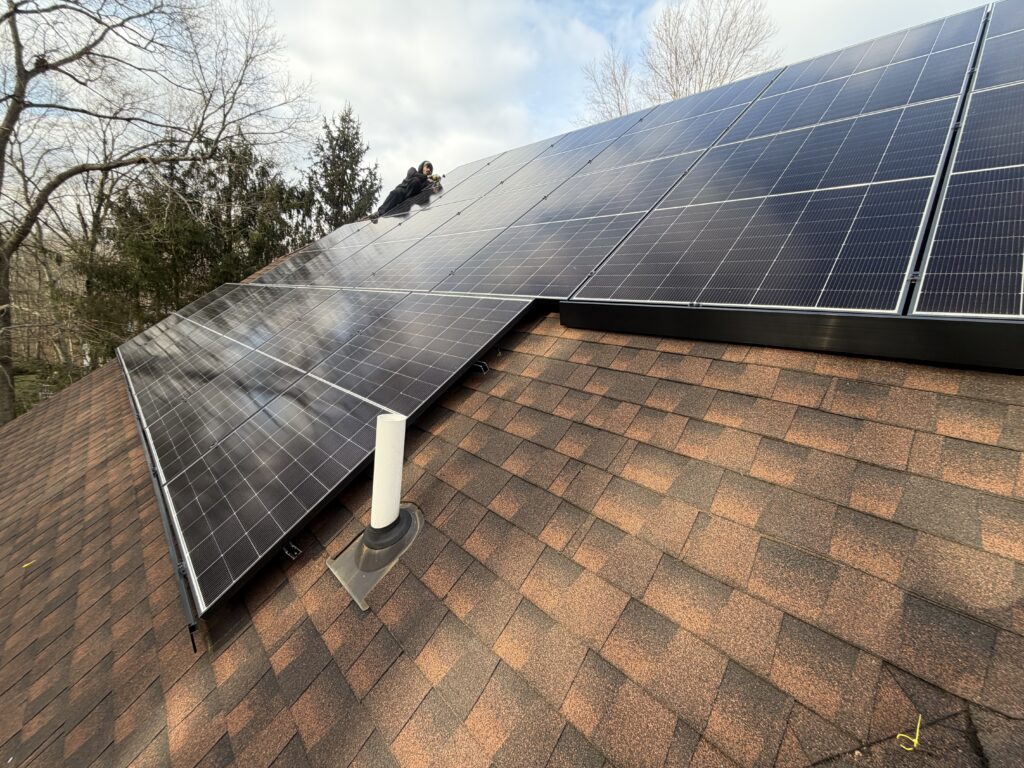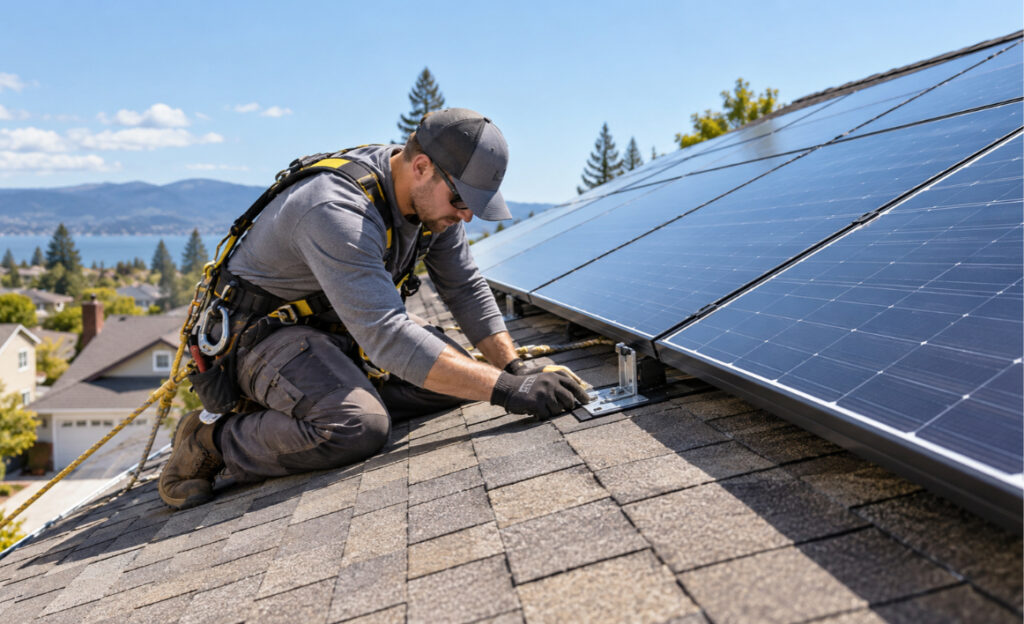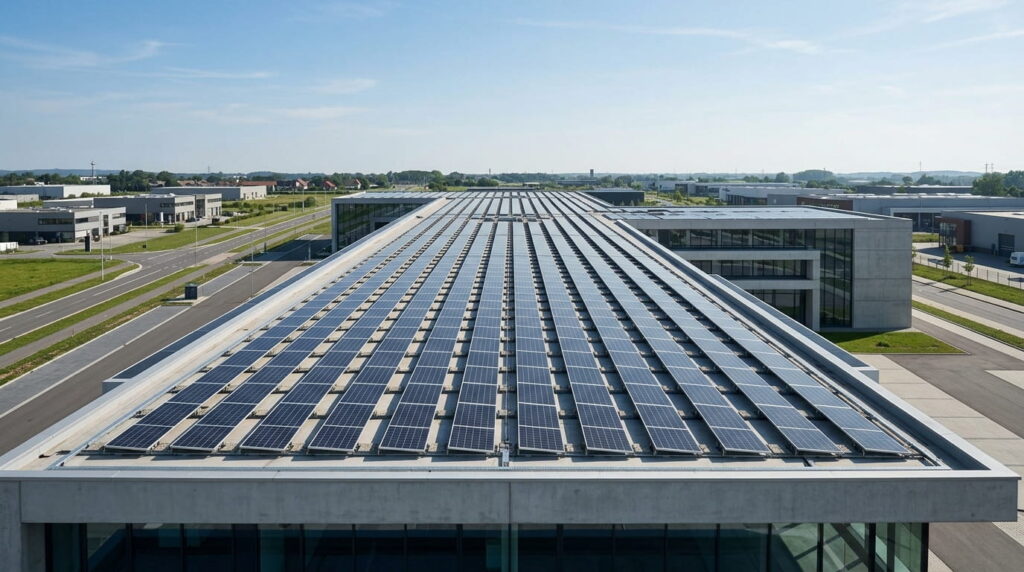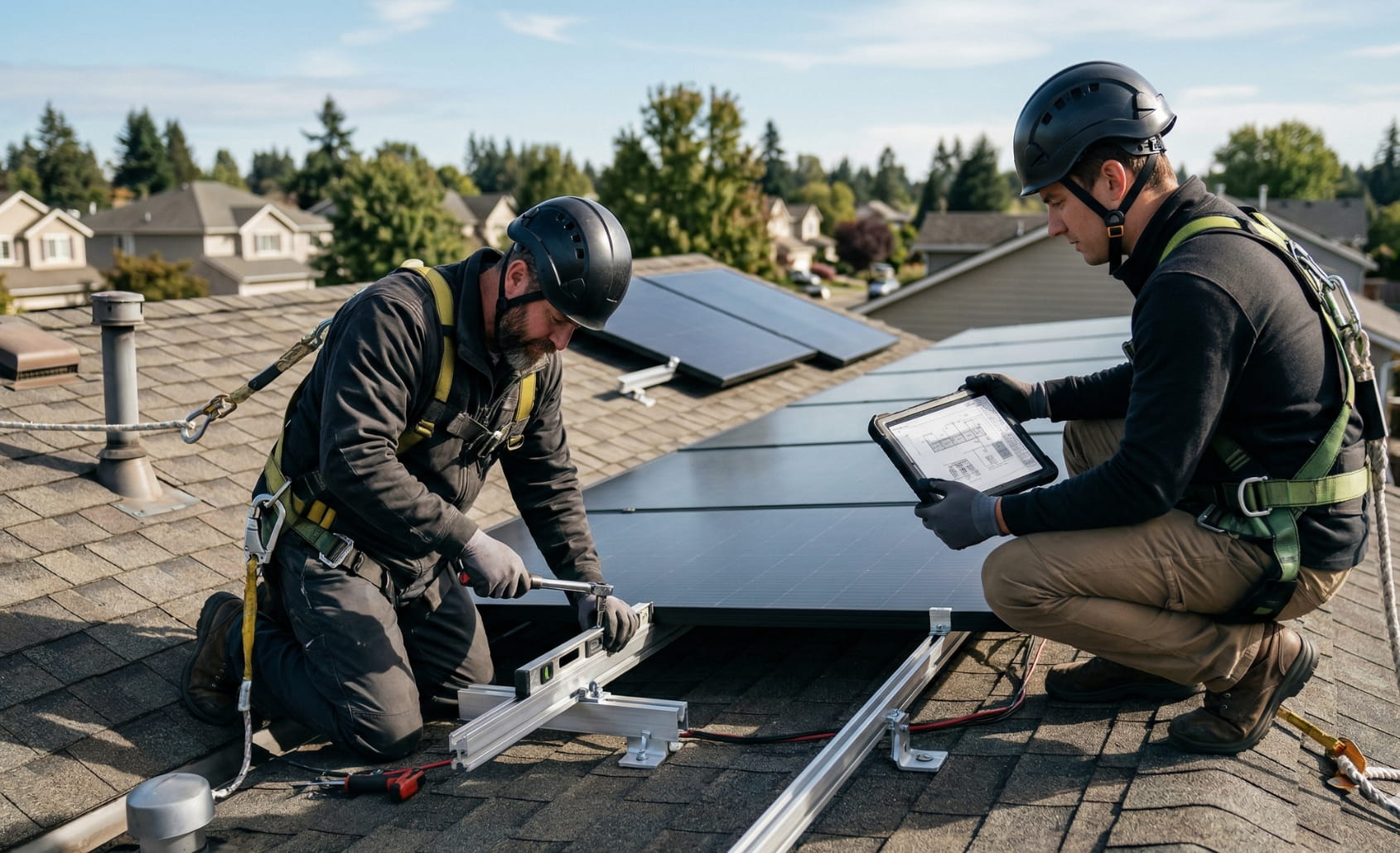
Avoiding costly rooftop solar installation errors starts with choosing the right system, following compliant practices, and understanding where projects typically fail. Most issues don’t come from complexity. They come from small decisions made too quickly on the roof.
Installers today are under pressure to move fast, reduce labor, and pass inspection without delays. That’s where mistakes creep in. The goal is not perfection. It’s consistency, clarity, and using systems designed to reduce risk.
1. Poor Roof Assessment Leads to Expensive Rework
A rushed roof assessment is one of the most common reasons projects run into problems. Installers often focus on layout and production targets, but overlook key roof conditions that directly impact mounting performance.
Things like shingle condition, surface uniformity, and structural readiness need to be evaluated properly. If the roof surface is not suitable, even the best mounting system won’t perform as expected. Homeowners often ask the same question during this stage, so it helps to know how to answer do solar panels damage your roof with confidence.
Another issue is misalignment between design assumptions and actual site conditions. Plans might look clean on paper, but real roofs rarely are.
That mismatch creates adjustments on-site, which increases the chance of inconsistent installation.
A reliable approach is to treat the roof as a system, not just a surface. When installers align mounting strategy with real roof conditions early, they avoid rework, delays, and unnecessary stress later in the project.
2. Waterproofing Mistakes Create Long-Term Liability
Waterproofing failures don’t always show up immediately.
That’s what makes them dangerous. A small mistake during installation can turn into a major issue months later, especially under repeated weather exposure. In most cases, the problem comes down to how penetrations are handled across the array.
One common problem is relying on incompatible materials. Not all sealants behave the same, and using the wrong type can compromise the entire system.
Installers should always use compatible roofing sealants only and never silicone.
Another issue is overcomplicating the waterproofing process. The more components and steps involved, the higher the chance of inconsistency across the array.
This is where system design plays a major role. Mounting solutions that integrate sealing directly into the base reduce the number of variables on-site. That kind of simplicity helps installers maintain consistency, even across large projects.
3. System Compatibility Issues Delay Permits and Inspections
Even experienced installers run into problems when system components don’t align properly. Module compatibility, clamp fit, and system certification all need to work together.
When these elements are not verified early, the result is often a delay during permitting or inspection. Inspectors look for clarity and consistency.
If something doesn’t match documentation, it raises questions. These are often the same issues that lead to permit rejections when system details don’t align with submission requirements.
Another challenge is misunderstanding certification requirements. Systems need to be listed and approved as a complete assembly, not just as individual parts. That’s where confusion can slow things down.
Installers who take time to verify compatibility upfront avoid these issues entirely. It’s not about adding more steps. It’s about making the right checks at the right time.
4. Overcomplicated Installation Workflows Increase Risk
Complex workflows create friction. More components, more adjustments, and more manual alignment all increase the likelihood of mistakes.
Traditional mounting approaches often require multiple layers of setup. Squaring rails, adjusting heights, and aligning components across uneven surfaces can slow down even experienced crews.
Each additional step introduces variability. What works for one section of the roof might not translate perfectly to another. Over time, that inconsistency affects both performance and appearance.
Modern mounting systems are designed to reduce these variables. When systems are built for faster alignment and fewer components, installers spend less time correcting issues and more time completing the job efficiently.
That’s not about cutting corners. It’s about reducing unnecessary complexity that doesn’t add value to the final installation.
5. Improper Attachment Planning Causes Structural Concerns
Attachment planning is one of the most sensitive parts of any rooftop installation. It directly affects both structural performance and long-term reliability.
The mistake many teams make is applying a one-size-fits-all approach. Roof structures vary, and attachment decisions need to reflect that. Without proper planning, installers risk uneven load distribution or inspection concerns.
It’s important to understand that structural decisions should always be supported by project-specific documentation. Installers should rely on span tables and stamped calculations rather than making assumptions on-site.
Using project-specific span tables helps ensure attachment decisions align with real loading conditions and avoid unnecessary inspection issues.
This approach removes guesswork and ensures that every installation meets the required standards without overengineering or underestimating the load.
When attachment planning is done correctly, the rest of the installation becomes much more predictable.
6. Using the Wrong Mounting System for the Roof Type
Not all mounting systems are suited for every roof. Choosing the wrong system leads to unnecessary adjustments, longer installation time, and higher risk of error.
For composition shingle roofs, systems designed specifically for that surface perform better because they account for real-world conditions installers face. That includes surface variation, alignment challenges, and waterproofing needs.
Using a purpose-built system reduces the need for workarounds. Installers can follow a more consistent process, which improves both speed and reliability.
If your projects involve comp shingle rooftops, working with a system engineered for that application simplifies installation significantly. You can explore how this works in practice with the TRT rail-less base system designed for comp shingle roofs.
Mid-project adjustments often happen when the system doesn’t match the roof. Choosing the right system from the start removes that problem entirely.
7. Lack of Standardization Across the Crew
Even with a good system, results can vary depending on how each installer approaches the work. Without clear standardization, small differences in technique can add up across the project.
This often shows up in alignment issues, inconsistent spacing, or uneven component placement. While each issue might seem minor, together they affect the overall quality of the installation.
Standardized systems help reduce this variability. When components are designed for intuitive placement and minimal adjustment, crews can follow a more uniform process.
Training also plays a role, but system design makes the biggest difference.
A system that simplifies decisions on the roof reduces reliance on individual interpretation.
Consistency is what keeps projects moving smoothly and ensures that every installation meets the same standard.
FAQs
Do inspectors require specific mounting system certifications?
Inspectors typically look for systems that are properly listed and documented as a complete assembly. Clear documentation and compatibility between components are essential. For structural questions, always rely on stamped calculations.
How can installers reduce the risk of roof leaks during installation?
Focus on systems designed with integrated waterproofing and use compatible roofing materials only. Never put silicone with butyl together. Reducing the number of sealing steps also helps maintain consistency.
How do installers handle uneven roof surfaces?
Systems that allow for adjustment without adding complexity help address surface variations. The goal is to maintain alignment without introducing additional steps that increase risk.
When should stamped calculations be requested?
Stamped calculations should be requested during the planning phase, before installation begins. This ensures that all structural decisions are validated and reduces the risk of delays later.
Avoiding costly rooftop solar installation errors isn’t about doing more.
It’s about doing the right things at the right time. When installers focus on roof assessment, system compatibility, and simplified workflows, projects become more predictable and easier to manage.
The right mounting system plays a central role in that process, helping crews work faster while maintaining consistency and compliance.