


Top Rack Technology at IESNA: Showcasing Innovation in Residential Rooftop Solar
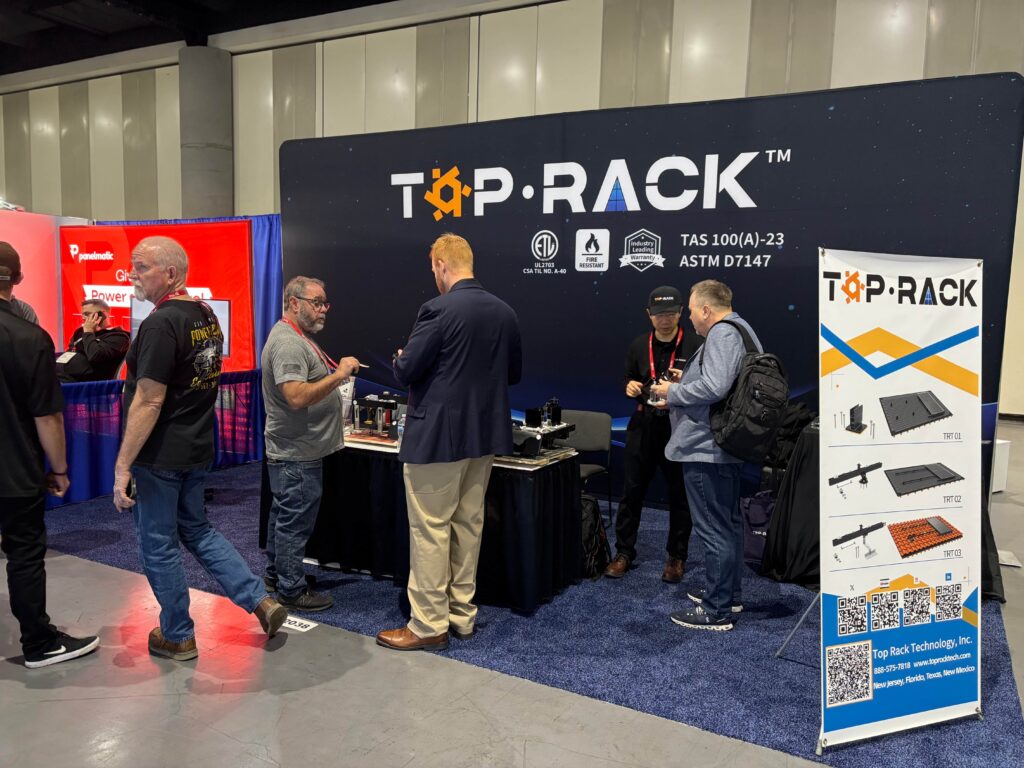
Top Rack Technology at IESNA marked a significant milestone for TRT as we showcased our latest residential rooftop solar solutions at one of the renewable energy sector’s most influential industry events. The exhibition provided a powerful platform to connect with solar developers, EPC contractors, installers, and technology partners while reinforcing our commitment to delivering reliable, […]
Top Rack Technology Showcases Innovation at RE+ Northeast Boston 2026

Top Rack Technology RE+ Northeast Boston 2026 was a tremendous success as our team connected with industry leaders, installers, EPCs, and channel partners at one of the region’s premier clean energy events. The show provided an outstanding opportunity to showcase our latest rooftop solar racking innovations while strengthening relationships across the Northeast solar market. Top […]
Top Rack Technology to Exhibit at Intersolar & Energy Storage North America 2026

Strengthening Industry Partnerships at Booth #2038 Top Rack Technology Intersolar 2026 represents an exciting opportunity as we prepare to exhibit February 18-20, 2026, at the San Diego Convention Center in San Diego, California. Intersolar & Energy Storage North America brings together more than 9,000 clean energy professionals and 500+ exhibitors, making it one of the […]
How Tile Roof Mounting Keeps Aesthetics Intact
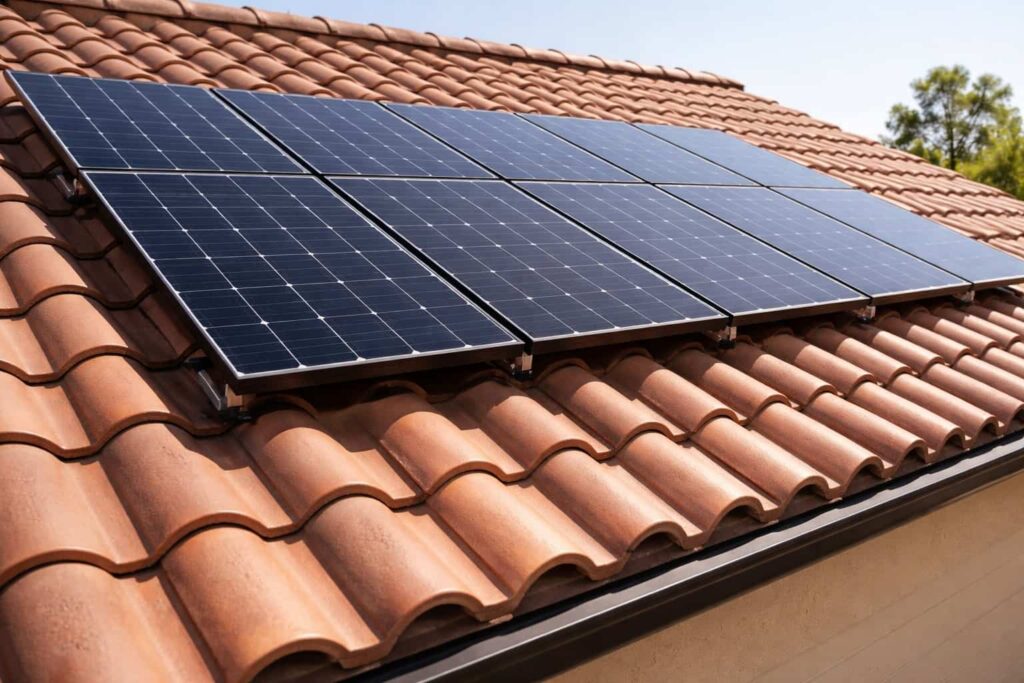
Tile roofs can carry residential solar arrays safely when the mounting hardware is designed for specific tile profiles and installed correctly. The right tile roof solar mounting aesthetics solution preserves curb appeal, avoids cracked or shifted tiles, and transfers loads into the structure without turning the tile into a load-bearing element. This is where modern […]
Top Rack Technology Reflects on a Successful Week at RE+ Midwest 2025
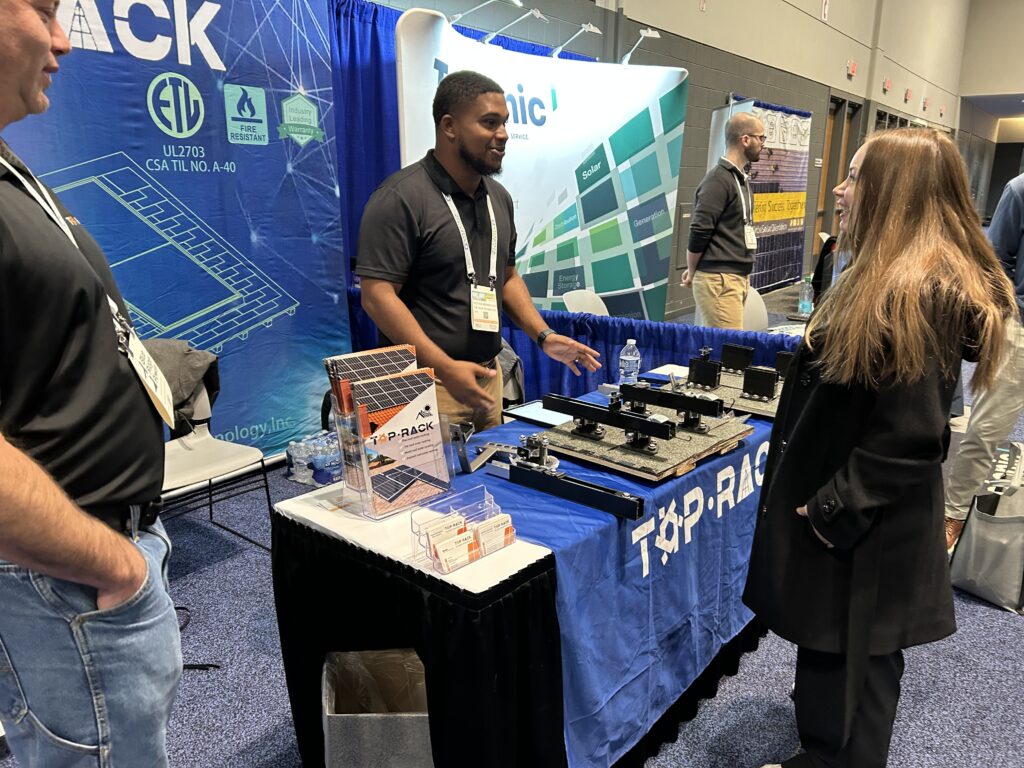
Moorestown, NJ – December 2025 Top Rack Technology at RE+ Midwest 2025 is pleased to share highlights from our recent participation at the event, held December 3-4 at the Schaumburg Convention Center in Chicago. The exhibition brought together solar professionals from across the region to explore emerging products, share installation insights, and discuss the evolving […]
How Asphalt Roofs Handle Solar Loads Without Damage
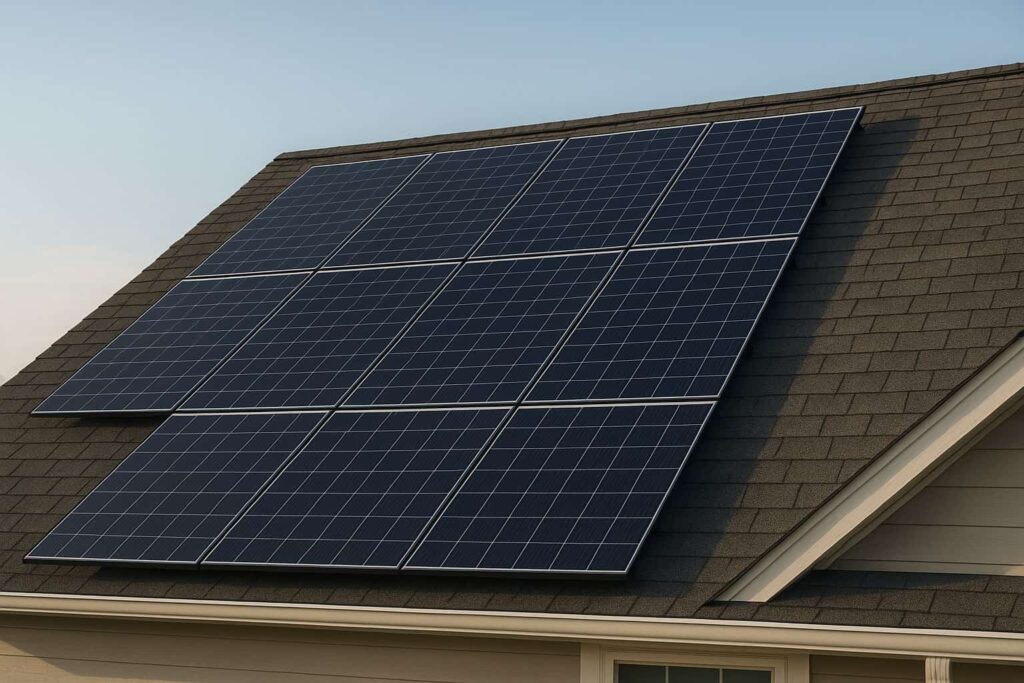
Asphalt roofs can carry residential solar arrays safely when the mounting hardware is designed for the material and installed correctly. The right asphalt roof solar mounting solution maintains shingle integrity, manages mechanical loads, and avoids the leaks or uplift issues many installers worry about. Here’s how asphalt roofing actually behaves under solar loads, and why […]
What Makes a Solar Mounting System Installer-Friendly?

Installers work with solar mounting systems every day, and they quickly learn which ones help them stay efficient and which ones slow them down. When you look at real conditions on residential roofs, the best solar mounting hardware is not the most complicated or the most engineered on paper. It is the one that keeps […]
Top Rack Technology to Exhibit at RE+ Midwest 2025 with Florida-Approved Solar Mounting Systems
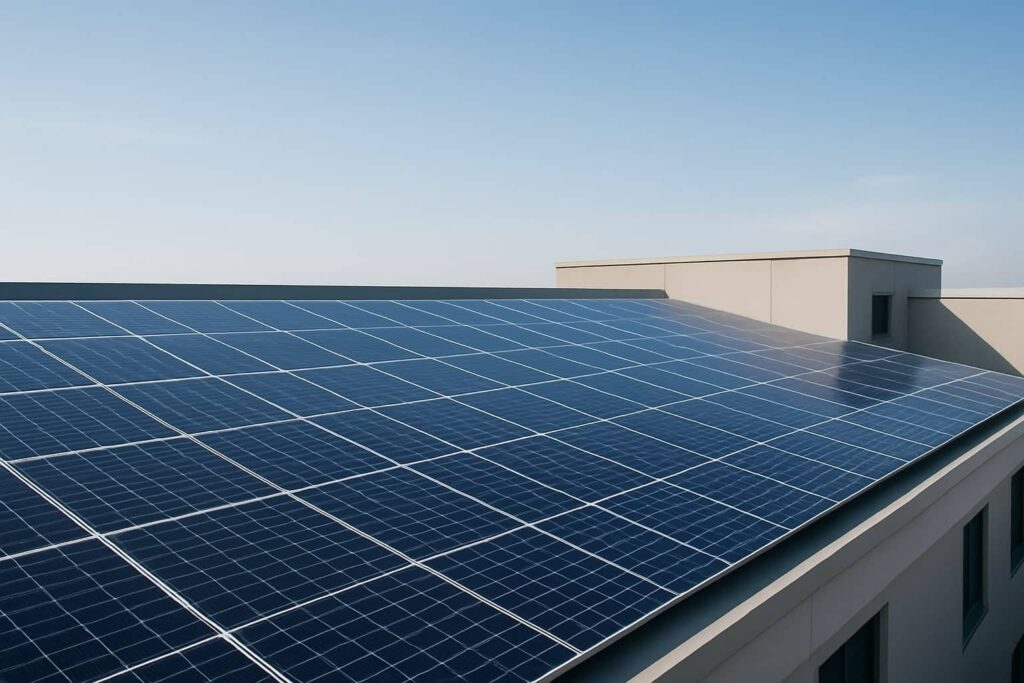
Moorestown, NJ – November 2025 Top Rack Technology is excited to announce its participation in RE+ Midwest 2025, one of the region’s leading renewable energy exhibitions, taking place December 3-4 at the Schaumburg Convention Center in Chicago, Illinois. Visitors can find Top Rack Technology at Booth #821, where the company will showcase its high-performance rooftop […]
Guide 3 – How to Apply the Span Table to Find Your Maximum Bracket (Base) Spacing
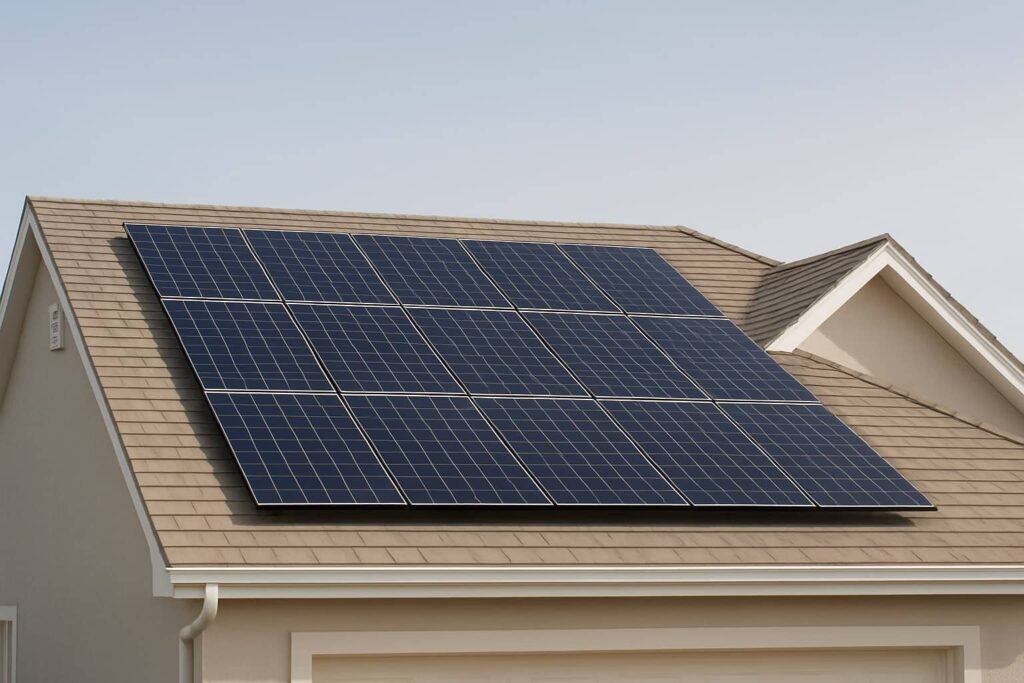
This section builds on Part 1 (Installation Site Preparation) and Part 2 (Span Table Selection) and explains how to perform span table application using a real project example from start to finish. It shows installers how to read the table accurately, match the correct parameters, and understand why a specific maximum span value is chosen. […]
Guide 2 – Choosing and Understanding Your SPAN Table
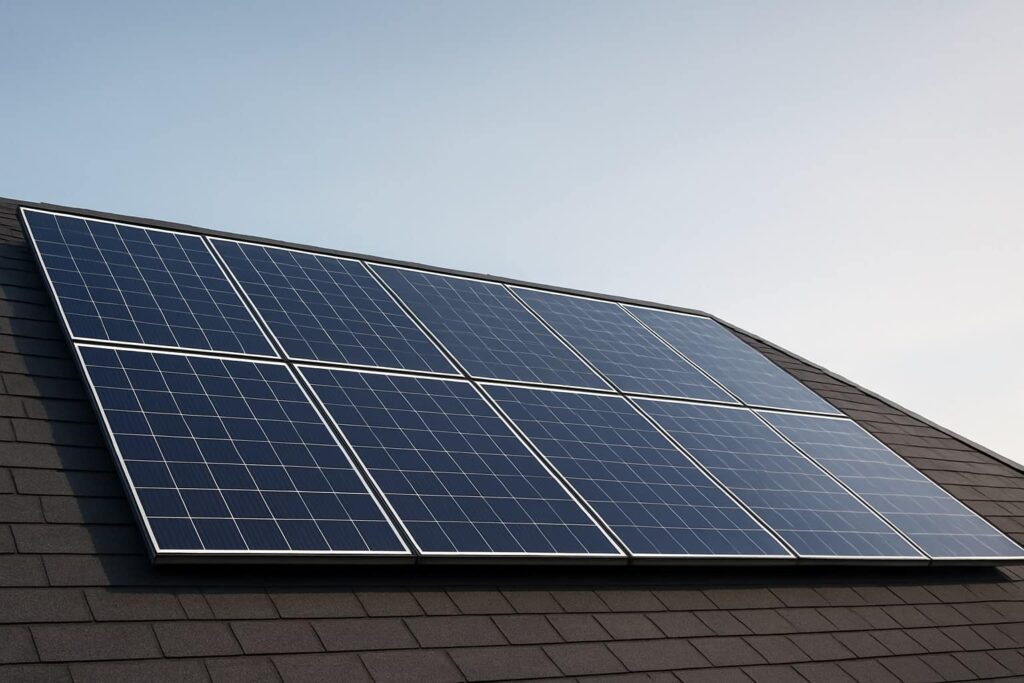
Guide 2 explains how the installation site information collected in Part 1: Installation Site Preparation is applied to the official SPAN TABLES. The purpose of this guide is to help installers follow the table structure in the correct order so they can perform accurate span table selection and locate the allowable maximum distance between two […]
