Installers work with solar mounting systems every day, and they quickly learn which ones help them stay efficient and which ones slow them down.
When you look at real conditions on residential roofs, the best solar mounting hardware is not the most complicated or the most engineered on paper. It is the one that keeps the installation smooth, predictable, and adaptable across different roof types.
Whether you prefer rail-less solar mounting, traditional rail systems, or tile roof attachments, the core qualities that define installer friendly solar mounting do not change.
They are based on how the hardware behaves on the roof, how many steps it takes to secure it, and how well it supports consistent alignment. Systems like TRT01, TRT02, and TRT03 follow these principles, but the goal here is to break down the qualities themselves so installers, EPCs, and project managers can recognize them in any solar racking system.
| TL;DR An installer friendly solar mounting system minimizes parts, avoids unnecessary roof prep, works across imperfect roof surfaces, and keeps module alignment consistent.Rail-less designs help crews move quickly across comp shingle roofs. Rail systems offer dependable alignment for long rows. Tile hardware should fit under tiles without modification. Eliminating flashing, pilot holes, and silicone, as TRT01 and TRT02 are designed to do, reduces installation time. Clear stamped calculations and ASCE 7-22 span tables give installers spacing confidence without requiring engineering work. |
Why Installer Friendly Solar Mounting Systems Matter
In the solar industry, the difference between a smooth job and a stressful one usually comes down to workflow interruptions.
Roofing surfaces vary, weather changes, and installers balance production speed with safety and accuracy. When a solar mounting system forces extra steps, uses too many parts, or does not sit naturally on the roof, it disrupts the rhythm that crews rely on.
If you are working with smaller crews or dealing with staff turnover, it helps to choose labor-efficient mounting systems that keep installation speed up even when fewer installers are available.
An installer-friendly system respects that workflow. It reduces the cognitive load on installers, supports efficient movement across the roof, and lowers the chances of rework or callbacks. This benefits everyone involved: installers, foremen, designers, AHJs, and homeowners. Soft-cost pressure reinforces this focus on simplicity; according to U.S. Department of Energy soft-cost guidance, residential PV still relies heavily on reducing installation steps and labour to meet long-term cost targets.
Hardware That Makes Sense Immediately
One of the strongest indicators of a good solar mounting system is how intuitive the hardware feels when installers first handle it. A mount, clamp, or hook should communicate its purpose through its shape and structure.
Installer-friendly hardware avoids:
- confusing multi-part assemblies
- fragile components
- mounts that require guesswork to seat correctly
- parts that look similar but serve different functions
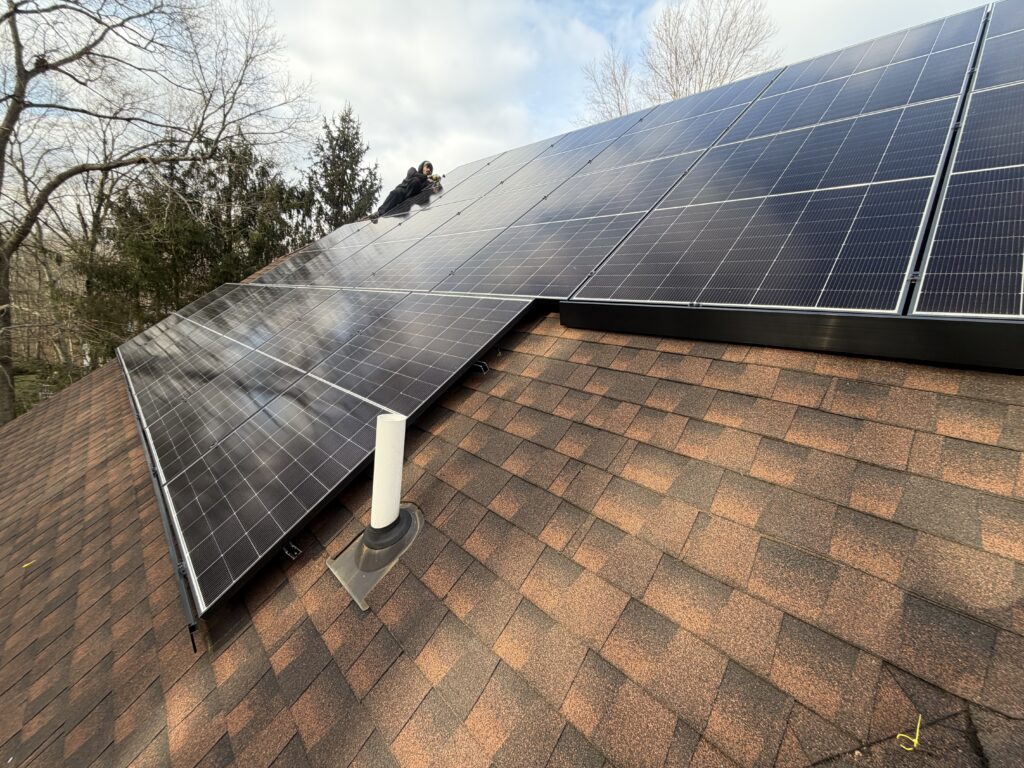
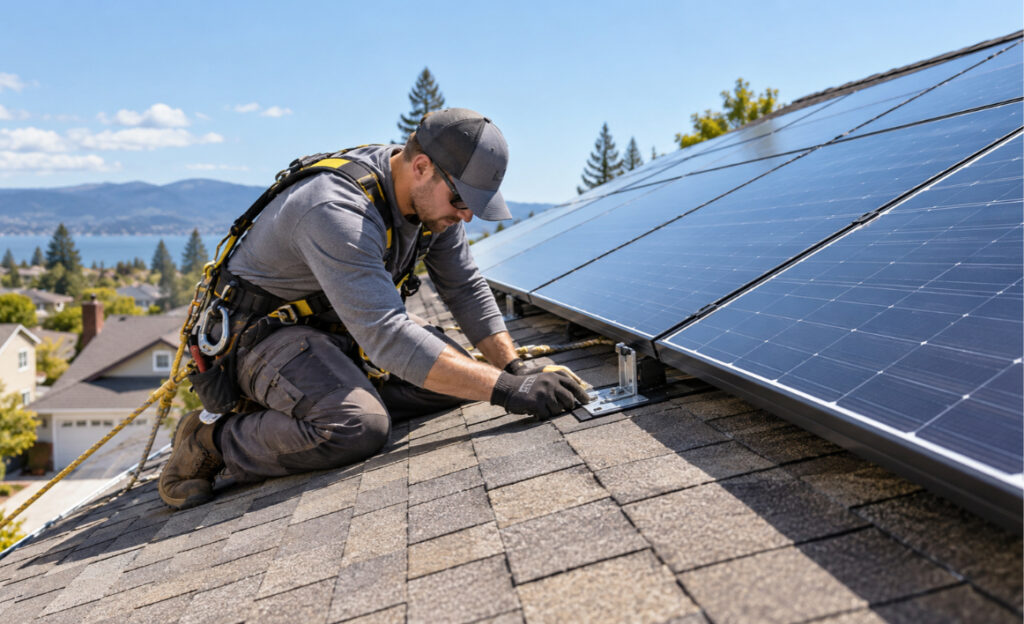
Rail-less solar mounting systems, such as those used on comp shingle roofs, work best when the mount is compact and integrated. Rail systems benefit from rails that stay stable and straight during installation. Tile mounting requires hooks that slide under tiles cleanly without cracking or grinding.
Simplicity matters more than branding. If installers have to stop and rethink each step, the system is not truly user-friendly.
Reduced Roof Prep and Fewer Steps
Roof prep is one of the biggest time drains in residential solar installation. Systems that require lifting shingles, sliding flashing underneath, drilling pilot holes, or applying silicone sealant add multiple layers of complexity.
Installer friendly solar mounting solutions prioritize a clean attachment workflow. Many modern systems rely on roofing-compatible butyl to create a stable seal when fastened.
TRT01 and TRT02 follow this approach fully, they do not require flashing, pilot holes, or silicone sealant, and are designed to install cleanly with roofing-compatible butyl.
Only roofing-compatible sealants should be used with TRT01 and TRT02; silicone is not recommended.
Tile systems like TRT03 follow a similar philosophy by reducing the amount of tile manipulation needed. Less roof prep translates directly into faster, cleaner installs.
Adaptability Across Real Roof Conditions
No two roofs behave the same, and installers know this better than anyone. A solar racking system that works only on perfect new construction roofs is not installer-friendly. Systems must work on:
- older comp shingle roofs
- shingle layers with irregular overlaps
- roofs with slight decking inconsistencies
- tile roofs with varied profiles
- rafters that don’t land exactly on layout
Installer-friendly systems are designed to adapt to these variations. Rail-less mounts should sit flat without rocking. Rail systems should align without constant loosening and re-tightening. Tile hooks should follow common tile shapes without modification.
Systems like TRT01, TRT02, and TRT03 are built with these realities in mind, which is why they often feel easier for crews working across different job types.
Consistent Module Alignment
One of the most common installer complaints is fighting for straight rows. When a solar mounting system provides inconsistent seating or allows too much movement, installers spend extra time making micro-adjustments to keep modules aligned.
Installer-friendly systems support alignment naturally:
- Rail-less designs guide module seating with controlled contact points
- Rail-based systems offer long-run alignment for entire rows
- Tile systems use stable hooks and rails to maintain alignment
This consistency reduces stress during installation and improves the final appearance of the array.
Clear Documentation and Spacing Guidance
Even the best solar mounting hardware needs clear documentation to support installers, designers, and inspectors. Good documentation does not overwhelm crews with formulas. It gives them:
- stamped structural calculations
- span tables tied to ASCE 7-16 or 7-22
- clear fastening requirements
- roof type compatibility
- straightforward installation steps
Designers often pair these span tables with values from the ASCE Hazard Tool, which provides location-specific wind and snow data that AHJs commonly reference during plan review.
This prevents confusion during layout, reduces risk during inspections, and avoids delays caused by unclear spacing or unsupported roof conditions.
Installer-friendly systems always include documentation that helps crews build confidently, regardless of the project location.
For structural spacing decisions, installers and designers should rely on TRT’s PE-certified span tables and stamped calculations rather than performing their own engineering.
A System That Supports the Crew First
Ultimately, an installer-friendly solar racking system is defined by how it behaves during real installations. Systems like TRT01 for comp shingle rail-less installs, TRT02 for rail-based layouts, and TRT03 for tile roofs follow the same principle. They are designed to simplify steps, reduce interruptions, and help crews stay consistent from start to finish.
The name on the box matters far less than how the hardware supports the installers who handle it every day.
FAQs
What makes a solar mounting system truly easy for installers?
A system is easy when it minimizes decisions and roof prep. Hardware should sit naturally on the roof, require simple fastening steps, and support clean alignment without constant adjustments.
How can I tell if a solar mounting system will work on different roof types?
Look for hardware that adapts to uneven shingles, older decks, and varied tile profiles. Installer-friendly systems work consistently even when the roof is not perfect.
What documentation should a good solar mounting system include?
Stamped calculations, ASCE 7-16 or 7-22 span tables, and clear installation instructions. These help crews and inspectors stay aligned and reduce guesswork during layout.
Closing
An installer-friendly solar mounting system is defined by practicality, not marketing. It reduces steps, supports clean alignment, adapts to real roof conditions, and helps installers stay efficient without cutting corners. Whether you prefer rail-less, rail-based, or tile mounting, the core principles remain the same: simplicity, predictability, and hardware that respects the way crews work.
If you need project-specific spacing or stamped documentation, you can request them anytime.
Request Stamped Calcs for Your Project