In 2024, the global solar industry experienced unprecedented growth, with a record 597 GW of new capacity installed, a 33% increase from 2023. This surge brings the total global installed solar capacity to approximately 1.6 TW. In the United States, the solar workforce grew to 279,447 workers in 2023, with many of them being solar installers, marking a 5.9% increase from the previous year.
However, recent policy changes, such as the elimination of the 30% federal solar tax credit in December 2025, are expected to significantly reduce residential solar demand. In California, new rules cut the payback for home solar so much that rooftop projects fell 77 to 85% since April 2024, a change that could spread to other states if they adopt the same kind of rules.
The path ahead is sharp, swift, and full of change. If you work on roofs now, you may ask: “Will solar installers be replaced by automation?” The short answer? Maybe. The long one? Not if we act fast and train right.
With tools and tech moving fast, the solar industry trends show a huge shift. Old ways won’t last. The new wave brings solar installation automation, smart gear, and AI that can think, map, and place parts with no help from hands. Some may fear this change. Others may see a bright road and take steps to thrive.
So what’s next? Let’s take a deep dive and learn how the solar installer career can live on and grow.
Why Solar Installation Is Changing
The first thing to see is that solar industry trends do not stay still. As demand for solar grows, so does the push to do installs faster, with less cost, and with fewer errors.
Firms want ways to put panels up fast and safely. This leads to new tools, new solar installation technology, and new methods.
Some changes are small, like better roof mounts. Others are large, like using automated solar mounting rigs or drones to help scan and plan jobs.
All of these shifts help firms save time and money. But they also mean that installers who want to keep working will need to change what they do.
The Role of Automation in Solar
Solar installation automation is not science fiction. It is real, and in some places, it is here now.
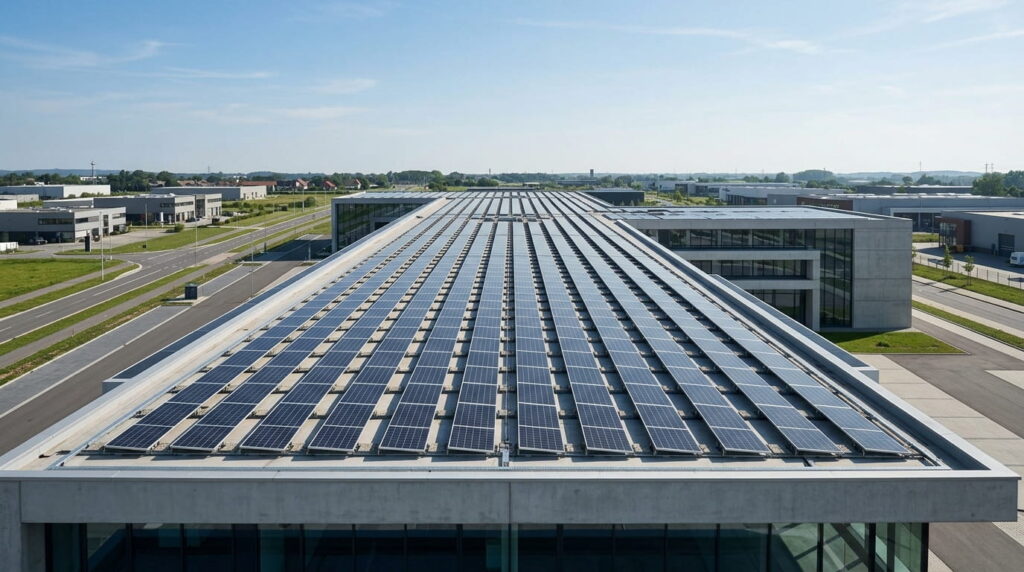
Automation can mean many things. Some firms use software to plan layouts. Some use drones to scan roofs or fields. Other test robots that can place panels on large flat roofs.
Why do they do this?
- Cuts install time
- Lowers labor cost
- Reduces errors
- Improves safety
That is good for the industry, but tough for workers who only know the old way.
The question many ask is: “Will solar installers be replaced by automation?”
For some tasks, yes. For others, not yet. But the truth is that work will shift from pure manual labor to a mix of hands-on work and tech.
How Solar Installation Is Changing
So what does this shift look like day-to-day?
It helps to look at real changes on job sites.
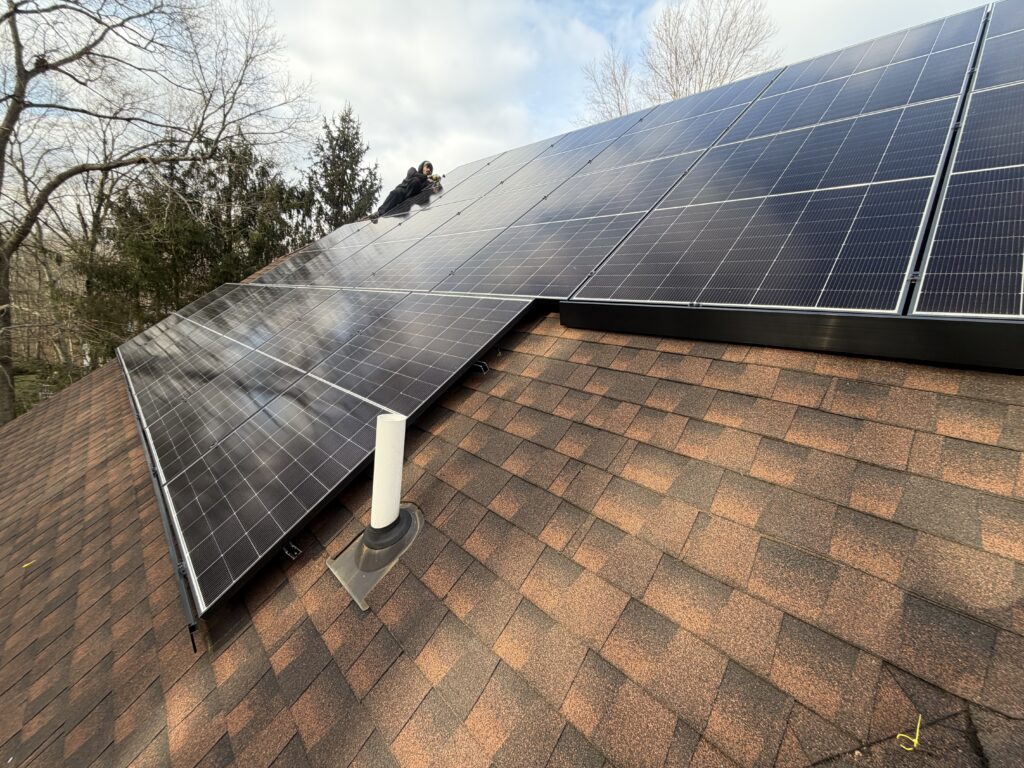
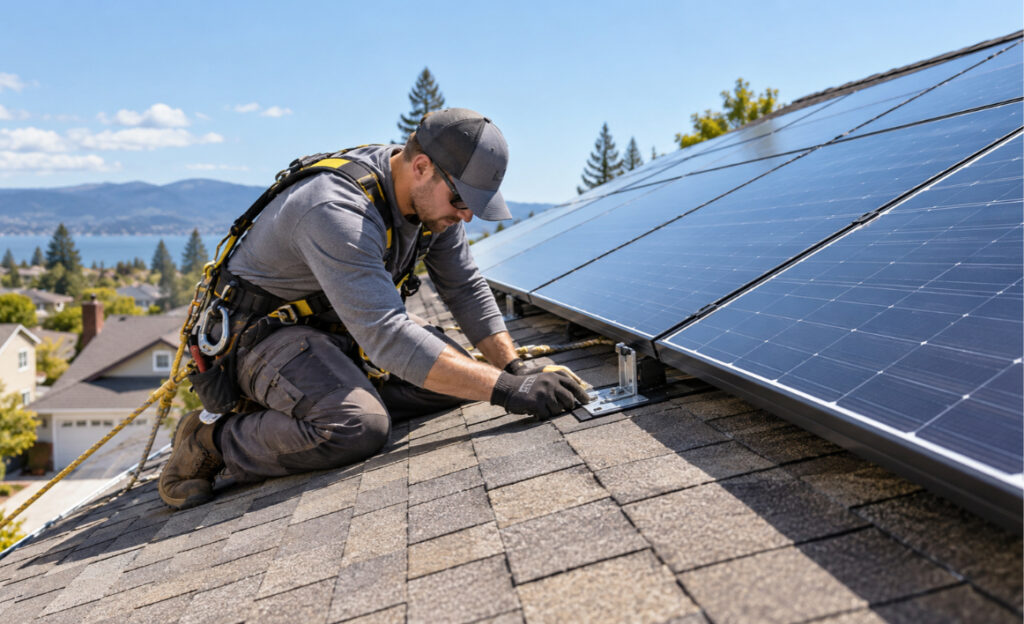
In the past, teams would haul up rails, line them up, fix them to the roof, and then bolt down panels. This took time, skill, and a lot of hands.
Now there are new systems that reduce steps and speed up work. For example:
- Rail-less mounts that skip the long rails.
- Tile hooks are made to fit standard roofs with less cutting.
- Pre-designed kits with fewer parts to track.
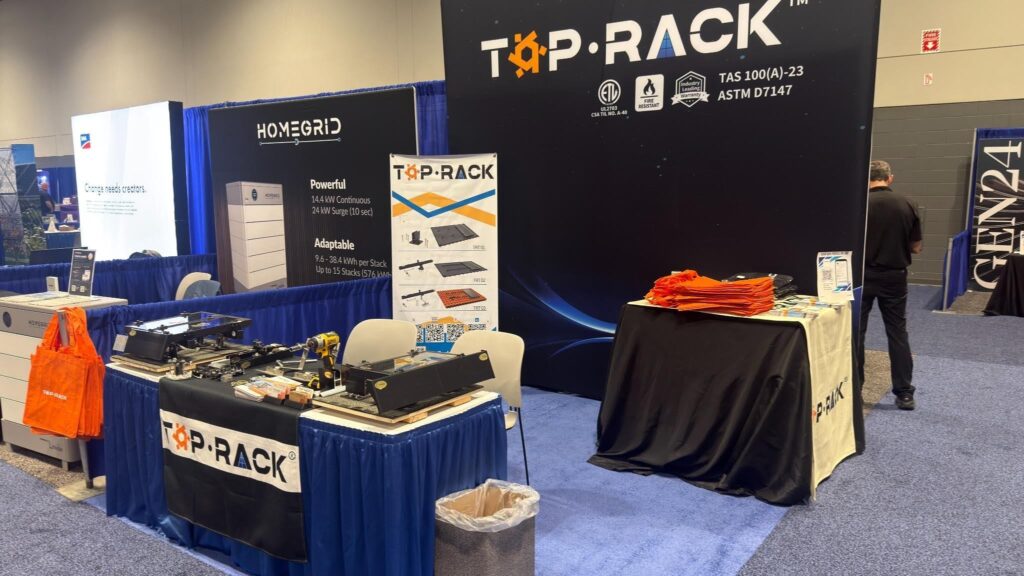
Companies like Top Rack Technology (“TOPRACK™”) offer systems such as the TRT™ Rail-less Base System TRT 01, TRT™ Rail Base System TRT 02, and TRT™ Tile Hook System TRT 03. These are designed to simplify and speed up installs.
While these systems help crews work faster, they also mean fewer workers are needed per installation.
This is one part of solar installation evolution, tools that cut time and cost.
The Push for Lower Costs
Another reason the job is changing is cost pressure.
Solar systems must compete with other energy sources. Firms look for any way to save.
- Faster installs mean fewer labor hours.
- Fewer parts mean less shipping cost.
- Simpler systems reduce training needs.
This push to lower costs drives solar installation innovation. But for the worker, it also means the old “muscle and drill” approach is not enough.
The Risk of Job Loss
With these changes, some worry that solar industry jobs will vanish. That is partly true. Simple, low-skill install work will shrink. Jobs that only need you to bolt panels may go to machines or be done by smaller crews.
That is why it is fair to say: Solar installer jobs 2030 will not look like they do now. But that does not mean there will be no jobs. It means the work will change.
The Future of Solar Installation Jobs: What skills solar installers need for the future
Many experts see demand for solar work going up, not down. But they see the mix of jobs shifting.
The future of solar installation jobs will need people who can:
- Use planning software
- Operate drones for roof scans
- Work with advanced mounting systems
- Solve site-specific problems
- Understand local codes and permits
- Manage teams and workflows
- Operate their warehouse more efficiently
Instead of pure muscle, the role will need more mind. This shift is part of wider solar workforce trends. Firms will want fewer people per crew, but those people will have more skill.
Training and Education
This shift means solar installer training will matter more.
In the past, many learned on the job. That worked when systems were simpler. Now, training needs to cover:
- New install methods
- Roof load limits
- Local code changes
- Electrical integration
- Using new tools and apps
Formal classes, online modules, and on-site demos will all play a part in helping workers adapt. This is not just for new hires. Even experienced workers will need to keep learning.
Industry Disruption and Opportunity
When people talk about solar industry disruption, they often think of it as a threat.
But change can also mean opportunity.
Workers who adapt can move into roles such as:
- Crew leads
- Site planners
- System designers
- Quality inspectors
- Customer liaisons
These roles need both field experience and new skills. They will also pay more than basic install jobs.
Meanwhile, new companies will form to meet demand for design, maintenance, and retrofits.
The Role of Technology
It is worth looking at future solar technology to see what is coming.
Tech trends include:
- AI-driven design tools
- Automated layout planners
- Drones for roof surveys
- Apps to track installs in real time
- Mounting systems that adjust with the roof shape
Even the mounting gear itself is evolving. For example, TOPRACK™ and others now offer rail-less systems that reduce weight and simplify installs.
These tools don’t just help firms. They also help workers do safer, faster, more precise work.
But only if workers know how to use them.
Preparing for the Future
If you want to stay solar through 2030 and beyond, you need to prepare.
Here are some steps to consider:
- Stay informed – Follow changes in codes and tech.
- Seek training – Don’t wait for an employer to force it.
- Learn new systems – Practice with newer mounting kits.
- Improve communication – Work well with clients and teams.
- Think safety – Know the risks and how to avoid them.
Those who plan ahead will have a clear edge.
Conclusion
Solar is not going away. In fact, it is likely to keep growing as more people want clean power. But the way solar is installed is changing fast. Solar installer career outlook 2030 will reward those who learn new skills, adopt new tools, and stay flexible.
The old job of “just bolt it down” is fading. The new job will blend field work, planning, and tech.If you are in the trade now, don’t wait. Get ahead of the curve. Learn. Train. Grow. That is the best way to make sure you are still on the roof in 2030, helping build a cleaner, brighter future.
Ready to stay ahead in the solar game? Don’t wait. Reach out to us to learn more about TOPRACK™ systems, TRT™ 01, TRT™ 02, and TRT™ 03. Let’s talk about how you can lead the way in solar installs. Contact us today and plan for a bright future.