Solar Panel Weight Load Calculator: Is Your Roof Suitable?
- Understanding Solar Panel Weight and Load Distribution
- Roof Types and Their Load-Bearing Capacity
- Roof Structural Assessment for Solar Installation
- Roof Dead Load Calculator
- Snow Load Plus Solar Panel Weight
- Alternative Solutions for Weight-Restricted Roofs
- Reliable and Efficient Solar Racking Solutions for Your Projects
- FAQs
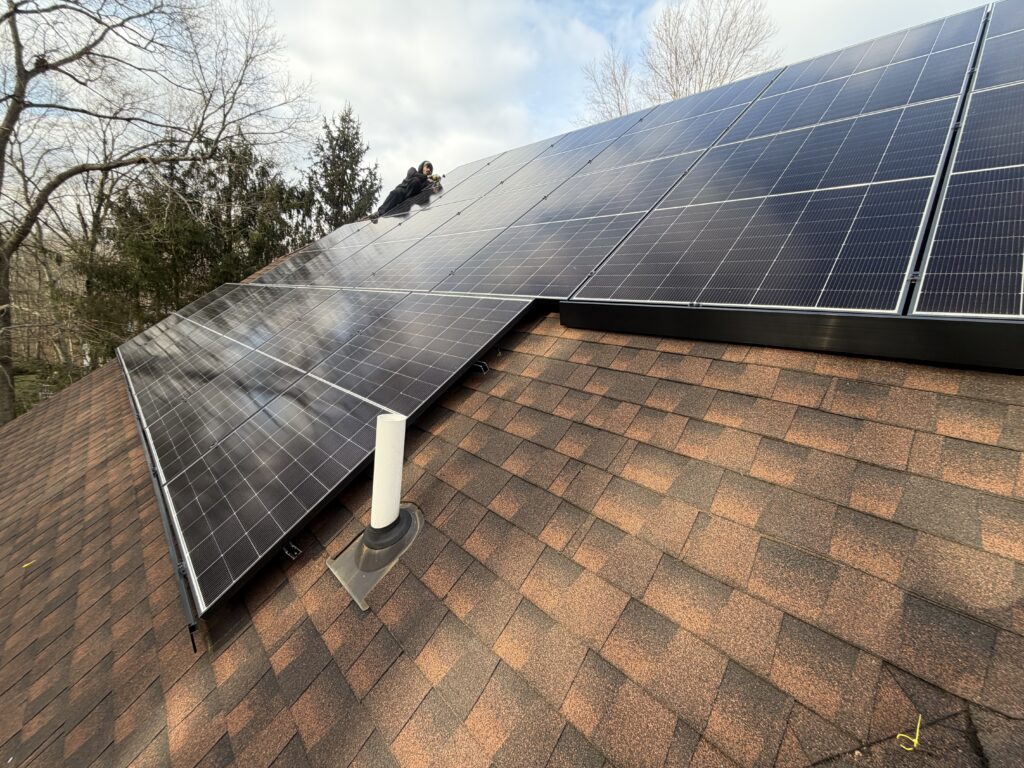
It is an expensive thing to install solar panels, which provide energy savings and can increase the value of your property as well. But first, it is important to check whether your roof can support this weight and tension. Using a solar panel roof load calculator helps you understand the weight load of solar panels and assess your roof’s structural integrity. This is a vital part of the entire installation process, as it ensures safety and efficiency.
In this article, I’ll discuss how to evaluate your roof’s suitability, explore how solar panel weight affects different roofing materials, and introduce tools to help you make informed decisions before installation begins.
Understanding Solar Panel Weight and Load Distribution
How Much Do Solar Panels Weigh?
Modern residential solar panels typically weigh between 40-45 Pounds. This weight includes the panel itself and the mounting equipment. For example, a standard 60-cell solar panel weighs about 40 pounds , while a 72-cell panel can weigh up to 55 pounds.
Distributed Load vs. Point Load
Solar panels distribute their weight evenly across the roof, which is known as a distributed load. This is in contrast to point loads, where weight is concentrated at specific points, potentially causing stress and damage. The even distribution of a solar panel system minimizes the risk of structural damage to the roof .
Roof Types and Their Load-Bearing Capacity
Standard Residential Roofs
Most residential roofs are designed to support between 10 to 20 pounds per square foot. In good condition, they can typically handle the weight of a solar panel system, which usually weighs around 3 to 4 pounds per square foot .
Flat Roofs
Flat roofs often require additional considerations due to their lack of slope. To optimize solar energy production, panels may need to be tilted using mounting systems that add weight. In some cases, ballasted systems using concrete blocks are employed to secure the panels without penetrating the roof membrane. These systems can increase the overall weight load, necessitating a thorough assessment of the roof’s capacity .
Sloped Roofs
Sloped roofs generally provide better drainage and are less prone to water pooling. However, the angle of the slope can affect the installation process and the efficiency of solar energy capture. Installers may need to adjust the mounting systems to accommodate the roof’s pitch, ensuring both structural integrity and optimal solar performance.
Tile Roofs
Tile roofs are more fragile and require extra care during installation. Installers may need to remove and replace tiles or use specialized mounting systems. Though strong in compression, they can crack under improper load distribution, making solar panel weight distribution a key concern.
Metal Roofs
Metal roofs are among the best roofing types for solar installations due to their durability, low weight, and long lifespan. Standing seam metal roofs, in particular, are ideal because mounting systems can clamp directly onto the seams eliminating the need for roof penetrations. This makes installation faster and reduces the risk of leaks.
Metal roofs typically have a high load-bearing capacity, easily supporting the solar panel weight load of 3 to 4 pounds per square foot, along with additional wind and snow loads. Their smooth surface also minimizes roof deflection from solar installation.
Roof Structural Assessment for Solar Installation
Evaluating Roof Condition
Before installing solar panels, it’s vital to assess the roof’s condition. An aging roof or one with existing damage may not be able to support the additional weight of a solar system. Signs of wear, such as sagging, leaks, or missing shingles, should be addressed before proceeding with installation .
Structural Reinforcement
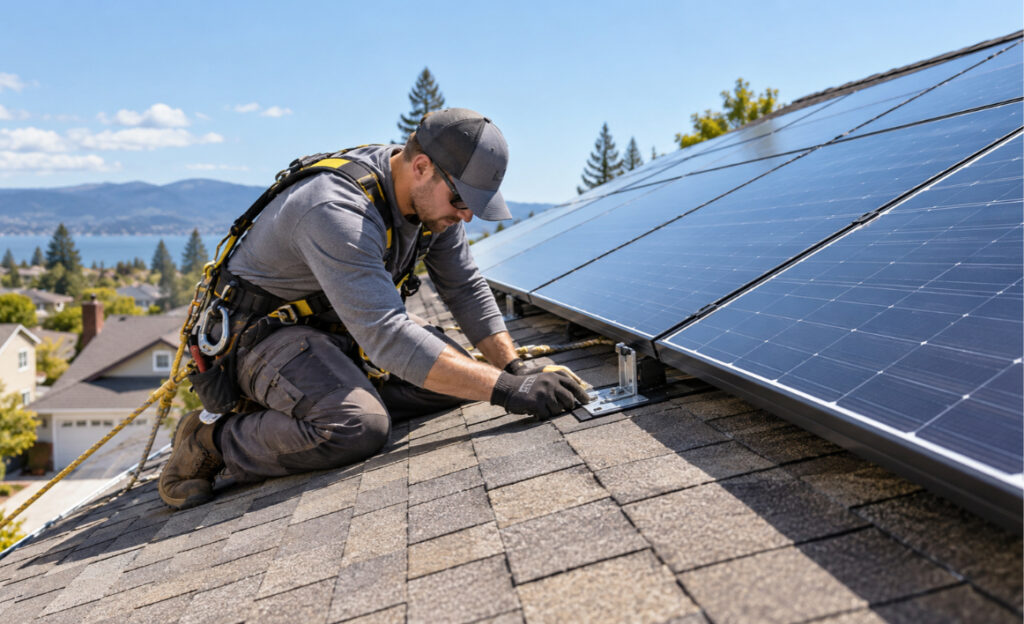
In some cases, reinforcing the roof may be necessary. Techniques such as adding wood blocking between rafters, sistering (attaching additional beams alongside existing ones), or constructing knee walls in the attic can enhance the roof’s load-bearing capacity .
Commercial Roof Solar Load Capacity
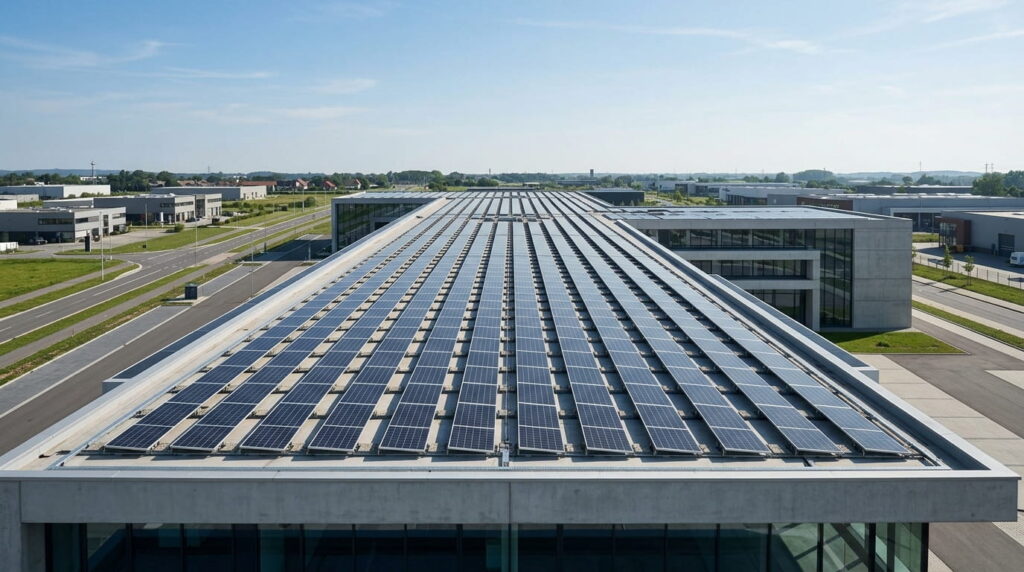
Commercial buildings often have different structural specifications compared to residential homes. These roofs are typically designed to support heavier loads and may be more suitable for solar installations. However, factors such as roof age, material, and existing wear still play a crucial role in determining suitability. A professional structural assessment is recommended to ensure the roof can handle the additional weight of a solar system.
Roof Dead Load Calculator
A solar panel roof load calculator or roof dead load calculator helps determine the maximum weight a roof can support. This tool considers factors like roof material, age, and condition to provide an estimate of the roof’s load-bearing capacity. While these calculators can offer valuable insights, consulting with a structural engineer is advisable for an accurate assessment tailored to your specific roof.
Snow Load Plus Solar Panel Weight
In regions with heavy snowfall, the combined weight of snow and solar panels can exceed the roof’s load capacity. Snow can accumulate on panels, adding significant weight. Most solar panels are designed to withstand snow loads, with pressure ratings above 5,000 Pascals, equating to approximately two to four feet of snow. However, the roof structure must also be capable of supporting this combined load to prevent potential damage or collapse .
Alternative Solutions for Weight-Restricted Roofs
Lightweight Solar Mounting Systems
For roofs with limited load-bearing capacity, lightweight mounting systems are a practical option. These setups use materials like aluminum or advanced composites to reduce weight without sacrificing structural integrity. Many of the best lightweight solar mounting systems also support distributed load setups, minimizing pressure on specific roof points and reducing the need for major reinforcement.
Solar Roof Tiles
Solar roof tiles integrate photovoltaic cells directly into roofing materials, eliminating bulky panels and racking systems. This reduces the overall solar panel dead load and offers a sleek, modern look. They’re ideal for homes with strict aesthetic or structural constraints but may require a full roof replacement.
Building-Integrated Photovoltaics (BIPV)
Similar to solar tiles, BIPV systems integrate solar technology into building materials like windows, facades, or metal roofing panels. This solution spreads the solar panel weight distribution across broader surfaces and reduces the need for additional mounting hardware, making them excellent for structurally limited roofs.
Ground-Mounted Solar Arrays
If your roof can’t support a solar system, ground-mounted solar arrays are a reliable alternative. These systems bypass the roof entirely and offer maximum flexibility in panel orientation and spacing. While they require available land, they eliminate concerns about roof weight load assessment altogether.
Roof Reinforcement Options
In some cases, reinforcing the roof is more cost-effective than compromising on solar capacity. Structural upgrades—like adding joists or load-bearing supports—can improve your roof’s structural suitability for solar arrays. This option requires a detailed roof structural assessment for solar by an engineer and should be factored into your overall installation budget.
Shared or Community Solar
If your roof isn’t suitable at all, consider community solar programs, where you buy or lease solar power from a shared array located off-site. You still benefit from clean energy without installing anything on your own roof—no worries about solar panel weight load, roof deflection, or reinforcement.
Reliable and Efficient Solar Racking Solutions for Your Projects
Efficiency and reliability are the twin pillars of solar installation. Finding the right racking system is essential for easy installation, cost-effectiveness, and durability. Flat roofs, tile roofs, or metal roofs: pick the right solution, and it makes all the difference.
At Top Rack Technology (TRT), we design innovative solar racking systems for the installers’ diverse needs. The innovatively crafted products instantly streamline the entire procedure concerning high-quality outcomes. Please contact us if you’ve been searching for that expert support or sometimes needed the right racking system for your projects; we will deliver the ideal solution.
FAQs
Can an Old Roof Support Solar Panels?
Possibly, but it depends on the roof’s condition. An aging structure might not handle the solar panel weight distribution or added stress. A roof structural assessment for solar is essential. Use a solar panel load calculator to estimate load impact, especially if considering installation on a worn or older roof.
Do I Need a Structural Engineer to Assess My Roof Before Solar Installation?
Yes. A structural engineer evaluates roof weight load assessment and ensures compliance with solar installation structural requirements. They calculate solar panel dead load, and understand how distributed load vs point load solar panels impact your roof, especially for commercial roof solar load capacity.
What Are the Liability Implications If I Install on a Roof That Later Fails?
You may be liable for damages, repair costs, or injuries. Skipping a proper assessment or roof reinforcement for a solar array could void warranties or insurance coverage. Always meet solar installation structural requirements to avoid legal or financial risk.
How Do I Factor Local Snow and Wind Loads Into My Solar Roof Calculations?
Use a solar panel roof load calculator for flat roofs or a roof dead load calculator to combine snow load plus solar panel weight. High snow or wind zones may require roof reinforcement or best lightweight solar mounting systems to reduce roof deflection from solar installation and maintain structural safety.