Avoid These 5 Common Solar Mounting Mistakes
- Introduction
- Mistake #1: Choosing Generic Systems Instead of Roof-Specific Solutions
- Mistake #2: Prioritizing Upfront Costs Over Total Installation Value
- Mistake #3: Underestimating Weather Resistance Requirements
- Mistake #4: Ignoring Maintenance and Lifecycle Requirements
- Mistake #5: Skipping Manufacturer Training or Guidelines
- Work With Us for Strong, Safe Solar Mounts
- Final Thoughts
- FAQ
Picking the right way to mount your solar setup is key if you want it to go smooth, last long, and not break the bank. But lots of folks who put in solar still slip up and make big solar racking mistakes that can hike up the cost or wreck the whole system down the road. No matter if you’re on a roof with shingle, tile, metal, or it’s flat, it helps to know what not to do to avoid these common solar racking mistakes.
Here’s a practical solar racking selection guide that outlines the top 5 mistakes made when choosing a solar mounting system and how you can avoid them.
Mistake #1: Choosing Generic Systems Instead of Roof-Specific Solutions
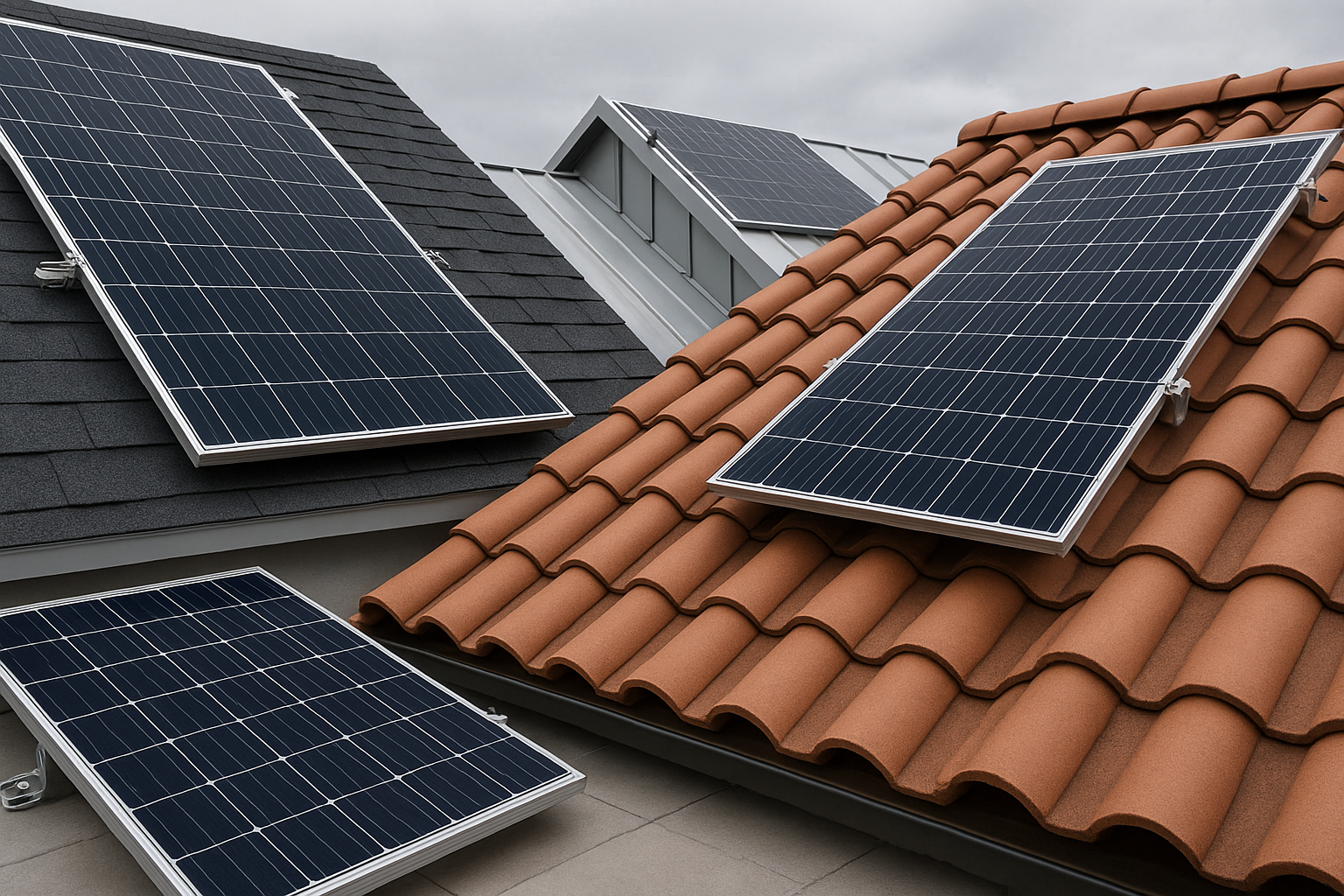
Not all roofs are the same. One fix for all may seem easy, but it’s one of the top slip-ups folks make with solar mounts and it can cause big headaches later on.
Why It’s a Problem:
Generic racks don’t fit each roof’s shape or build, which means weak holds or roof harm. For instance:
- Shingle roofs need one type of mount.
- Tile roofs need tile hooks or swap mounts.
- Metal roofs need clamps made for seams or waves.
- Flat roofs need ballasts that weigh right and can take wind.
Each roof has its own shape, slope, drain flow, and weight cap. Skip these facts, and you risk leaks, weak power, or worse roof wrecks.
How to Avoid It:
- Always match the racking system to the roof type.
- Use trusted roof-specific solutions like the TRT02 base racking system, engineered for quick integration and flexibility across various roof surfaces.
- Ensure compatibility with waterproof solar roof attachments to avoid leaks and ensure long-term performance.
- Consult with manufacturers and distributors who offer specialized guidance on racking systems tailored to specific roof types.
- Use online design tools and apps provided by racking system manufacturers to simulate proper installations.
Example:
On a tile roof, failing to use tile replacement mounts or adjustable tile hooks can result in cracked tiles, water intrusion, and high maintenance costs. Switching to a system specifically designed for tile roofs prevents such issues and ensures a weather-tight seal.
Mistake #2: Prioritizing Upfront Costs Over Total Installation Value
While budget constraints are real, focusing solely on the sticker price of a racking system can be shortsighted.
Why It’s a Problem:
Lower-cost systems often result in higher solar installation labor costs, increased accessory needs, and future maintenance expenses. Cheaper systems may also lack key certifications, limited adjustability, or compatibility with modern modules and roofing systems.
Moreover, inexpensive systems might not include pre-assembled parts or intuitive designs, increasing the time and complexity of installation.
How to Avoid It:
- Evaluate the time-saving solar mounting solution benefits. Systems that reduce labor time on site often result in lower total costs.
- Consider long-term durability and ease of future serviceability.
- Look for modular racking systems that adapt to future changes in panel size and technology.
- Factor in shipping costs, installer training, compatibility with other products, and warranty length.
- Focus on return on investment (ROI) instead of just the initial cost.
Example:
Using a more expensive system that allows for tool-free assembly or comes partially pre-assembled can reduce installation time by up to 30%, resulting in major labor cost savings especially important in high-wage regions.
Mistake #3: Underestimating Weather Resistance Requirements
The durability of a solar PV system heavily depends on its ability to withstand the elements.
Why It’s a Problem:
Mounting systems that aren’t weather-resistant solar racking may corrode, degrade, or loosen under wind, rain, and UV exposure. Poor sealing and subpar materials can lead to water leaks, roof damage, and system underperformance.
This is particularly true for flat roof and coastal installations, where moisture and salt air are common threats.
How to Avoid It:
- Choose racking systems made from anodized aluminum or stainless steel for corrosion resistance.
- Ensure systems are tested and certified for wind, snow, and seismic loads specific to your region.
- Use waterproof solar roof attachments with proven leak protection and integrated flashing.
- Prefer systems with UL 2703 and UL 1703 certification for safety and reliability.
- Find a place where you can get all parts
Example:
A ballasted flat roof solar mounting system must be designed with high wind uplift resistance in mind. Choosing a low-profile, aerodynamic system can prevent wind damage and eliminate the need for excessive ballast weight that strains the roof structure.
Mistake #4: Ignoring Maintenance and Lifecycle Requirements
While many solar installers focus on installation efficiency, the long-term maintenance of a racking system is equally important.
Why It’s a Problem:
Some racking systems degrade faster or require regular re-tightening, increasing O&M (operations and maintenance) costs. Inaccessibility or poor hardware quality can lead to recurring issues, negatively impacting energy production and increasing service calls.
How to Avoid It:
- Select systems known for long-term reliability and minimal upkeep.
- Avoid using incompatible fasteners or inferior materials that corrode over time.
- Ensure the system design allows for easy panel removal and reinstallation for servicing.
- Use weather-resistant solar racking that can withstand 25+ years of exposure.
- Find a one-stop shop where you can get all the parts you need for solar mount racking any roof, any setup, any time. Whether it’s clamps, hooks, rails, or seals, it’s all in one place, ready when you are.
Example:
Installing racking with poorly anodized aluminum or using mismatched hardware can cause galvanic corrosion, leading to structural weaknesses and expensive repairs over time. Choosing a complete system from a reputable manufacturer mitigates these risks.
Mistake #5: Skipping Manufacturer Training or Guidelines
Even the most robust racking systems can fail if improperly installed. Overlooking technical details can be detrimental.
Why It’s a Problem:
Improper installation can void warranties, reduce system efficiency, and pose safety hazards. Many installation errors result from skipping the manual or improvising with tools and fasteners.
How to Avoid It:
- Follow manufacturer guidelines closely.
- Attend installer training for specialized systems like the TRT02 base racking system.
- Stay updated with industry best practices and changes in local building codes.
- Take advantage of tech support and online resources provided by racking system manufacturers.
Example:
Incorrectly aligning rails or overtightening clamps can damage solar panels or create microcracks that reduce their efficiency. Precision and adherence to specs are vital to long-term system success.
Work With Us for Strong, Safe Solar Mounts
At topracktech we put up strong, safe racks for all roof types shingle, tile, flat, or metal. We know what works best for each one and make sure the job is done right the first time. Our team is fast, fair, and knows how to help you save time and cash. Want a stress-free solar set-up? Give us a call, we’ve got you.
Final Thoughts
Avoiding these five common mistakes can significantly improve your solar installation projects, whether residential or commercial. With proper planning, roof-specific solutions, and durable products like the TRT02 base racking system, you can boost installation efficiency, reduce costs, and ensure long-term system success.
Always prioritize quality, compatibility, and weather resistance over initial savings. Think of the solar racking system not just as an accessory, but as the foundation that supports your entire solar investment. Choosing wisely today will protect your reputation and profits for years to come.
FAQ
How long does it take to install 20 solar panels?
The installation time depends on factors like roof type, racking system, and crew size. On average, installing 20 panels can take 1–2 days. Using a time-saving solar mounting solution can significantly cut that down.
How do mounting systems affect solar installation labor costs?
Efficient racking systems reduce installation time, helping lower solar installation labor costs. Systems designed for tool-free or minimal-tool installation can offer major savings.
Which solar mounting systems require least maintenance?
Systems made with corrosion-resistant materials and minimal moving parts typically require the least maintenance. Look for weather-resistant solar racking solutions with industry certifications and proven longevity.