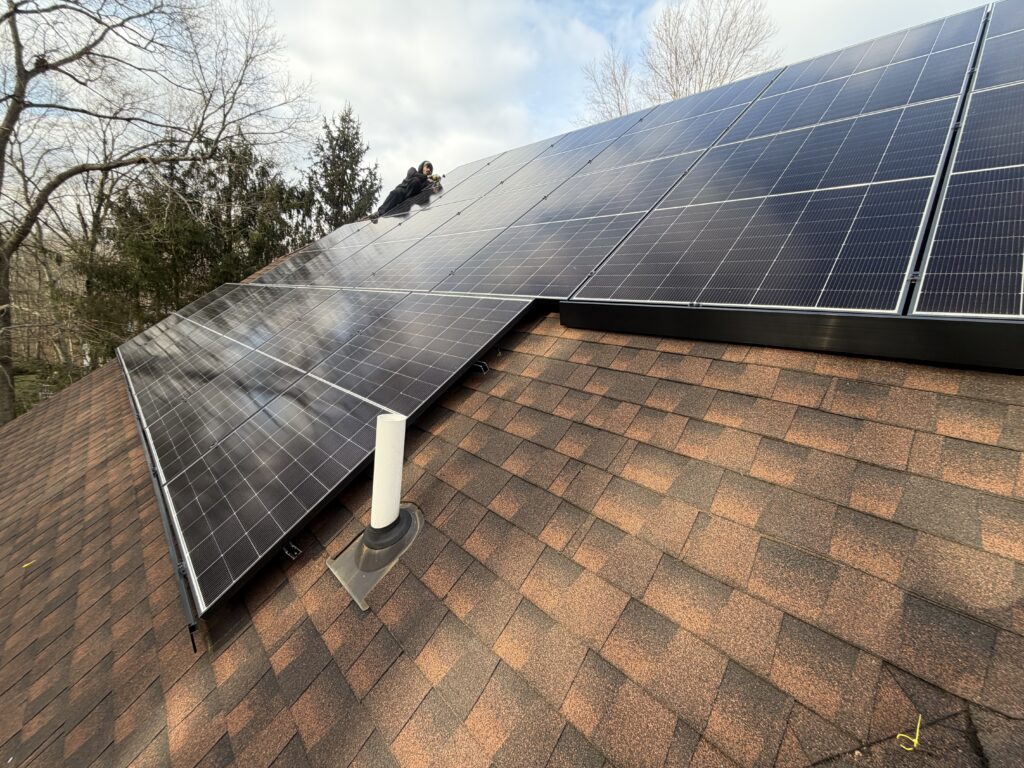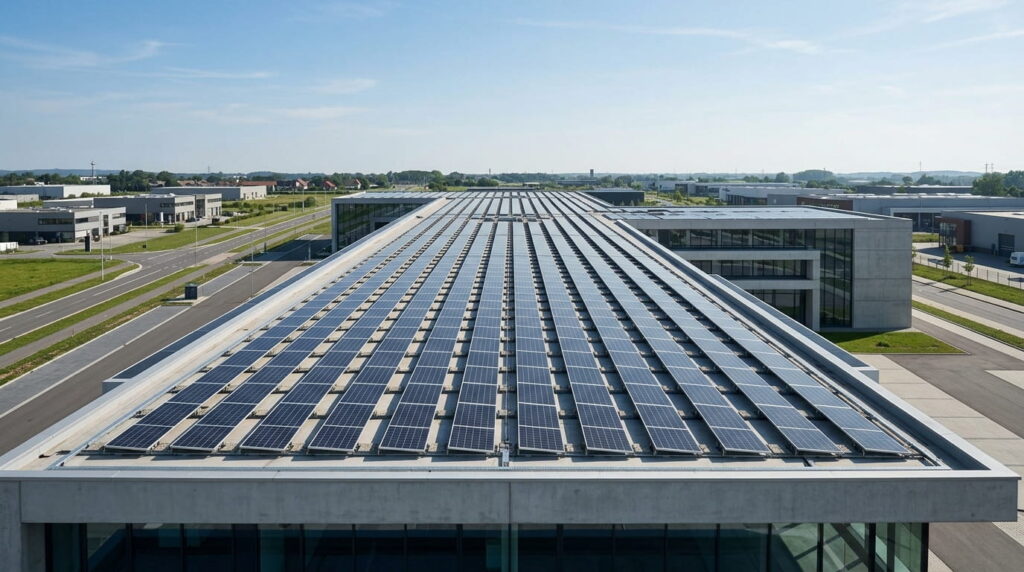
Reducing solar installation time comes down to removing unnecessary steps while protecting the structural integrity of the roof.
Crews that consistently move faster are not rushing or skipping safeguards. They are working with better mounting systems, clearer plans, and repeatable processes that eliminate friction on every stage of the job.
In practice, most delays do not come from major technical problems.
They come from small inefficiencies that build up during layout, attachment, and inspection. When those points are streamlined, crews can reduce solar installation time naturally while keeping safety fully intact. The goal is not to do more work in less time. It is to make each action simpler, more predictable, and easier to execute correctly the first time.
| TL;DR Reducing solar installation time without compromising safety is about simplifying the system, planning layout before work begins, and relying on engineered documentation instead of field decisions. Crews that use consistent mounting systems, reduce unnecessary components, and align with inspection requirements early are able to move faster while maintaining structural integrity and avoiding costly rework. |
Use Simpler Mounting Systems to Remove Friction
Mounting system design has a direct impact on how quickly a project moves.
Systems with more parts require more handling, more alignment, and more coordination between crew members. Every additional component introduces another opportunity for delay.
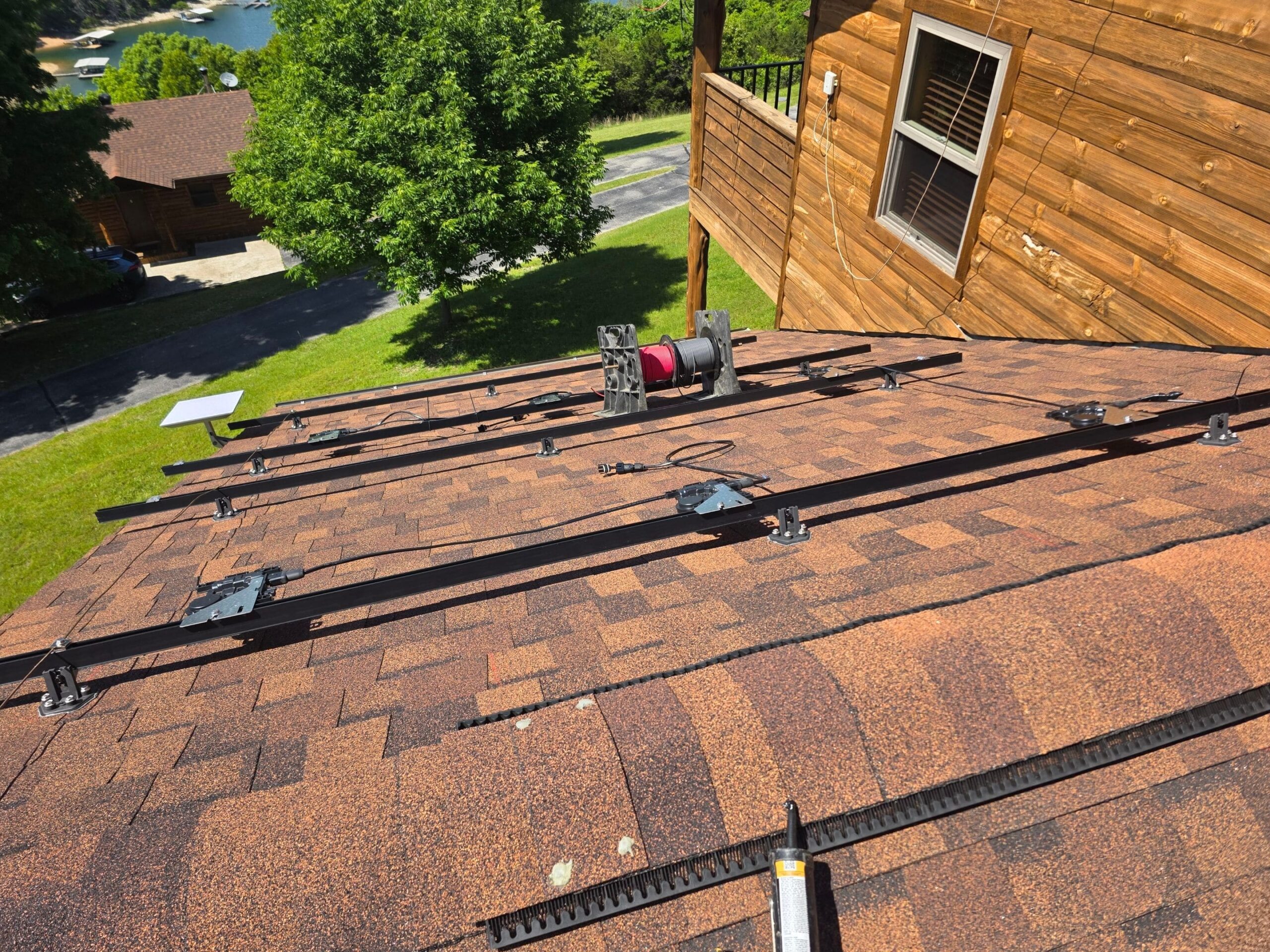
Rail-less systems reduce that burden by minimizing part count and simplifying the attachment process. Instead of managing long rails and rail alignment across spans, installers can work with TRT01’s rail-less base, hidden end clamps, and mid clamps in a more localized, repeatable workflow.
For rail-based shingle and tile applications, TRT02 and TRT03 also reduce installation complexity through pre-assembled components, simplified SKU management, and consistent attachment methods that crews can repeat across projects.
This creates a smoother workflow that is easier to repeat across the entire roof.
For composition shingle roofs, systems like TRT01 are designed to remove unnecessary complexity. By reducing the number of components and simplifying how they interact, crews spend less time adjusting and more time completing the installation correctly.
Plan Attachment Layout Before Installation Starts
Time is often lost when crews make layout decisions on the roof.
Searching for structural members, adjusting placement, or correcting spacing issues can slow progress and increase the risk of mistakes. These interruptions break workflow and reduce efficiency.
Planning attachment locations before installation begins keeps the process organized and predictable. When crews know exactly where attachments will be placed, they can move with confidence and maintain a steady pace throughout the job. Layout planning should also follow TRT installation requirements, including ridge and eave clearances, rafter width verification, rafter layout transfer, and PE span table limits. These checks should be completed before work begins, not resolved on the roof.
A strong example of how layout planning supports both efficiency and safety can be seen in the guide on solar attachment spacing and structural alignment. It highlights why proper preparation reduces delays and ensures that installations remain compliant with structural requirements.
These decisions should always be guided by TRT span tables, stamped calculations, and aligned with local permitting and inspection requirements.
Reduce Roof Penetration Complexity
Roof penetrations slow installs when crews have to stop, double-check, and repeat multiple sealing steps at every attachment point. The goal is to make each penetration predictable so the crew can move in a steady rhythm without pausing to troubleshoot.
Start by standardizing how attachments are placed and sealed across the entire roof. The goal is to standardize the process within each product system and roof condition, while following the correct TRT01, TRT02, or TRT03 attachment method for that specific installation. Pre-marking attachment points based on the approved layout also helps avoid missed rafters and unnecessary repositioning.
TRT systems are built to keep this step simple. TRT01 and TRT02 simplify waterproofing by using integrated butyl sealing rather than traditional flashing. For flat shingle areas, additional sealant may not be required. Where the manual calls for it, such as keyway conditions or shingle-layer transitions, only approved non-silicon based sealants should be used. Never mix silicone-based products with butyl as this can compromise the seal and lead to rework.
Keeping tools, sealant, and components organized and within reach also reduces downtime between penetrations. When crews can move from one attachment to the next without resetting their workflow, installation becomes faster and more controlled.
A consistent, simplified penetration process does more than save time. It reduces errors, improves seal quality, and helps ensure that every attachment meets the same standard from start to finish.
Avoid Rework by Aligning With Code Early
Rework is one of the most significant sources of delay in solar installation. When inspections fail or documentation is incomplete, crews must return to finished work and make corrections. This not only slows the project but also increases costs and frustration.
Avoiding rework starts with preparation. Documentation should be complete, accurate, and aligned with local requirements before installation begins. When inspectors have clear information and consistent installation practices to review, approvals are more likely to happen without delays.
Modern solutions like SolarAPP+ automated permitting help reduce approval timelines and minimize delays caused by manual review processes. Many of these delays are tied to solar permitting delays and soft costs, which continue to impact installation timelines across the industry.
When mounting systems are predictable and well-documented, they support smoother approvals and fewer interruptions during the project lifecycle.
Standardize Crew Workflow Across Projects
Efficiency improves when crews follow the same process across different installations. Constantly switching between systems or methods forces teams to adjust, relearn, and troubleshoot. This slows progress and increases the chance of mistakes.
Standardization allows crews to develop familiarity with every step of the process. They know how components fit together, where attachments should be placed, and what inspectors expect to see. This consistency reduces hesitation and keeps work moving at a steady pace.
Using the same mounting approach across multiple projects helps teams build confidence and speed over time. As workflows become second nature, installation time decreases while quality remains consistent.
Rely on Engineered Documentation Instead of Field Decisions
Structural decisions made on the roof slow everything down. When crews have to stop and interpret spacing, loading, or attachment placement in real time, the workflow breaks and uncertainty creeps in.
The smarter approach is to resolve those questions before installation begins. Clear, project-specific documentation should already define attachment locations, layout logic, and structural requirements. That way, crews are not making judgment calls under pressure. They are following a plan that has already been reviewed and approved.
This shift removes hesitation. Installers can move from one section to the next with confidence, knowing the layout is correct and aligned with the structure below. It also reduces back-and-forth between the field and engineering, which is a common source of delays.
Good documentation does more than guide installation. It creates consistency across the entire project. Every crew member works from the same reference point, which minimizes errors and keeps progress steady from start to finish.
When the plan is clear before boots hit the roof, installation becomes faster, cleaner, and far more predictable without compromising structural safety.
FAQs
Does reducing installation time increase structural risk?
No. When time savings come from better system design and planning, structural integrity is maintained. All structural requirements should be guided by TRT span tables and stamped calculations.
How can crews avoid delays during inspection?
Delays are reduced by ensuring documentation is complete and aligned with local requirements before installation begins. Consistent installation practices and clear structural guidance help inspections move smoothly.
If we’re moving faster, how do we make sure attachments are still structurally sound?
Speed should come from clarity, not guesswork. Crews should be working from approved layout plans that already define where attachments go and how they align with the roof structure. If installers are pausing to decide spacing or placement on the roof, that’s a sign the planning stage was incomplete. The safest approach is to install exactly as documented and escalate anything unclear instead of improvising.
Conclusion
Reducing solar installation time is not about pushing crews to work faster. It is about removing inefficiencies that slow them down. When systems are simple, workflows are consistent, and structural requirements are clearly defined, projects move efficiently without compromising safety or quality.
TRT01 and TRT02 are supported by UL 2703 listing, PE certification, Class A/B fire rating, and ASTM D7147 and TAS 100(A) testing for uplift, shear load, water penetration, and Florida high-wind applications. These certifications mean the structural safety of the system is already verified before installation begins.
Not legal or engineering advice; project-specific calcs and stamped drawings required.