 Commercial rooftop solar mounting systems are a critical factor in cost, speed, and long-term safety for solar projects. Choosing the right system can cut labor time by half while ensuring compliance with wind, load, and fire codes.
In the world of clean power, speed counts. Firms that put up solar want to cut time on site, lower cost, and keep the roof safe. For this, the choice of rooftop solar mounting systems for businesses plays a key role. A smart racking plan can make or break the job. It must hold firm in high wind, pass code checks, and last for years, all while going in quickly.
This guide will walk through the best tools and ways to set up commercial solar roof mounting. We will look at flat roof racks, shingle hooks, tile mounts, and new fast-deploy gear. We will talk about structural load limits, tilt brackets, wind tests, O&M costs, and ROI. By the end, you will see which racks fit which roof, and how to win back time and cash with the right pick.
Why Speed Matters in Rooftop Solar
Time on the roof is not free. Each hour a crew spends means more labor cost. With big jobs on malls, plants, or office blocks, the gap can run into tens of thousands. Fast install solar mounting cuts time and saves cash. It also brings in power fast, so the client sees a quicker payback.
But speed alone is not enough. The rack must be safe, strong, and built for code. That is why the best firms blend fast gear with sound tests like wind tunnel trials and load checks. DOE notes that soft costs rise when processes are slow or inefficient.
Flat Roof Solar Racking Systems
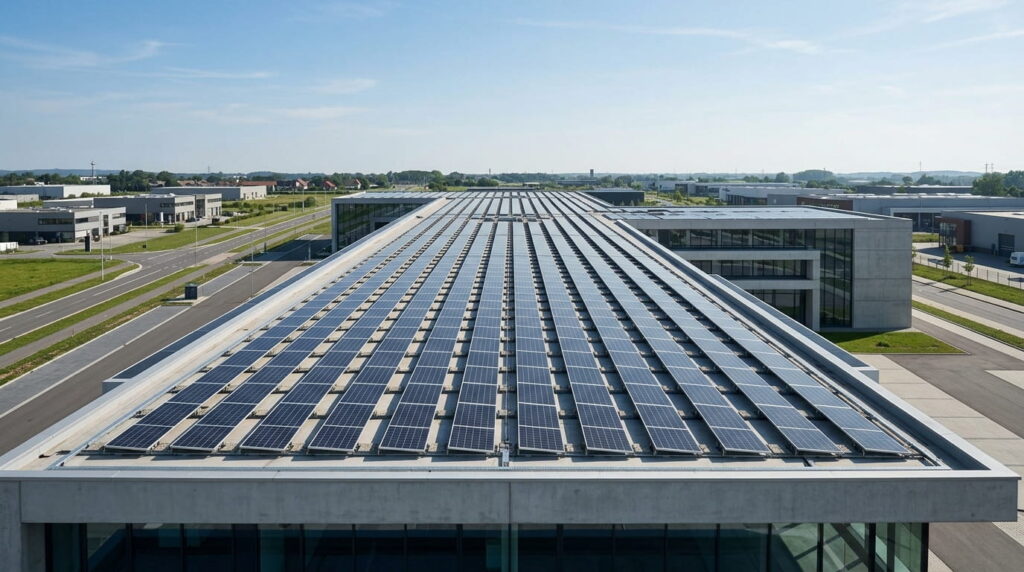
Flat roofs are the norm for malls, plants, and office blocks. These wide decks call for flat roof solar racking systems that spread weight and shield the roof skin.
1. Ballast Trays: Non-Penetrating Mounts
Ballast trays use weight, not bolts, to keep racks in place. Blocks of stone or a slab hold the frame down. This means non-penetrating rooftop solar mounting, no leaks, and no lost roof warranty.
Some brands make pre-built trays with tilt sets from 5° to 20°. They snap in place, no drill, no weld. Crews can set up rows in hours, not days. This makes them some of the best rooftop solar mounting systems for commercial projects.
2. Clamp and Anchor Mounts
For TPO, PVC, or EPDM roofs, clamps and seal plates give grip. Some brands, uses a plate that bonds to the roof skin. It is light, safe, and fast. This helps when load rules are tight.
Pitched Roofs: Shingle and Tile
Not all projects have flat roofs. Many sites still use shingles or tile. Here, the job is to fix racks with care, so there are no leaks.
1. Composition Shingle Roof Mounts
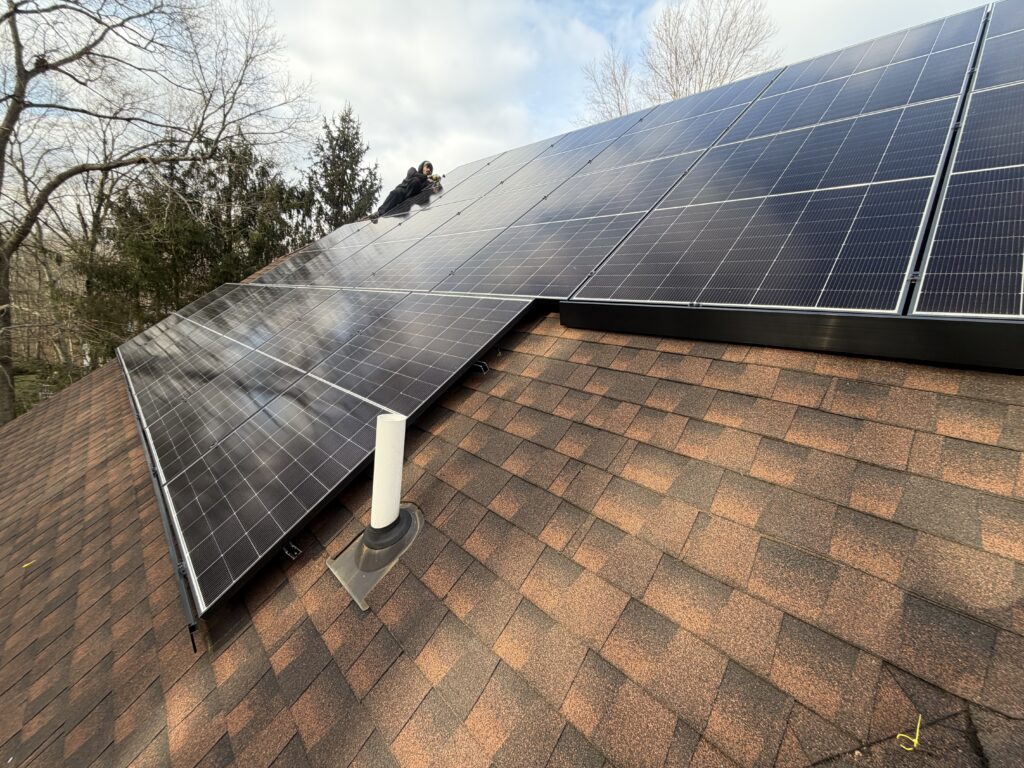
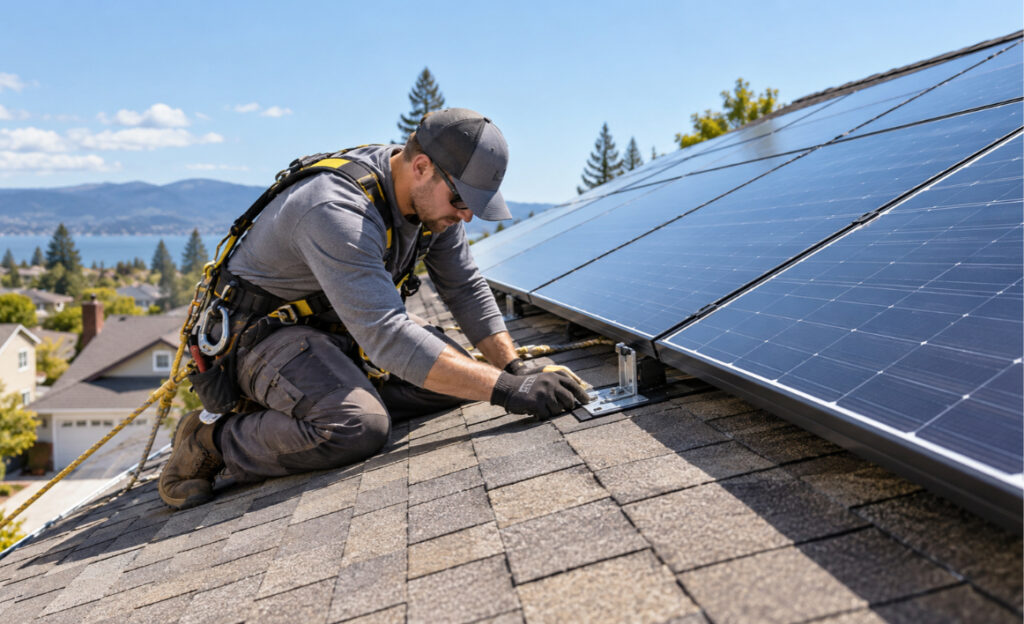
For shingles, crews use flash plates that slip under the shingles and bolt to rafters. TOPRACK™ makes a strong set for this. It seals well, meets code, and goes in quickly. With snap-lock parts, crews can set rows with ease.
2. Tile Hook Solar Mounting
For clay or stone tile, the best pick is Tile Hook Solar Mounting. Hooks slip under tile, clip to rafters, and seal with flash. Some firms use raised hooks to match tile height. TOPRACK™ tile hook gear is made for speed and roof care.
Both shingle and tile racks need care with flash. But once in, they last for years, with low O&M cost.
Wind, Code, and Load
Wind is a top risk. A gust can lift racks if not set right. This is why most commercial rooftop solar installation hardware is put through wind tunnel testing. It shows if ballast or clamps can hold.
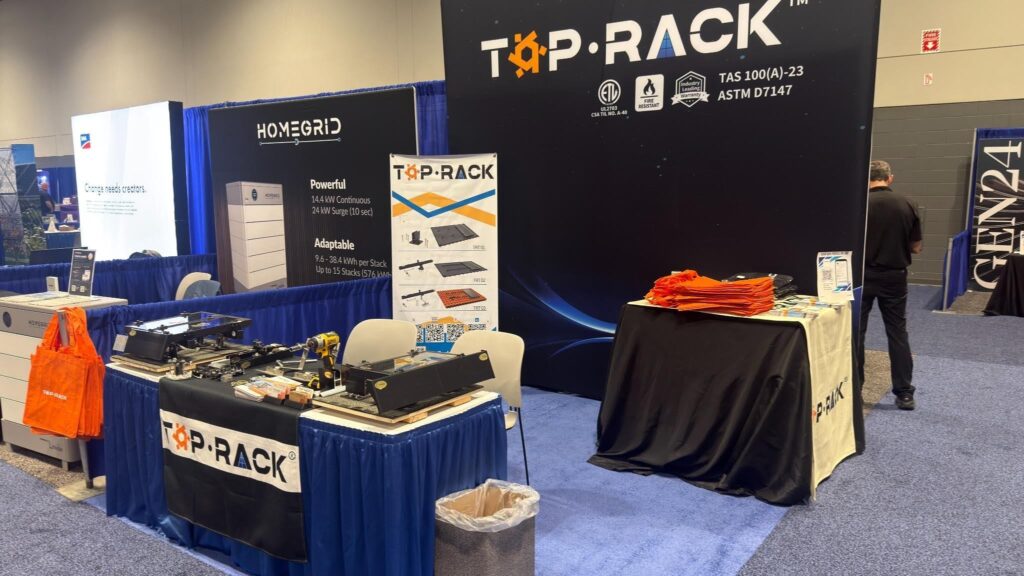
Code is next. All racks must meet UL marks and local rules. This means the frame is safe for fire, weight, and storms. Brands like TopRack have full ETL marks.
Load is last. Each roof can hold just so much. Ballast adds weight. So engineers must run the calculation for each job. If the load is tight, adhesive or clamp racks may work best.
O&M and Life Cost
A rack is not just a one-time buy. It has a life cost. Crews must check clips, wires, and flash over time. If the rack is easy to check, the cost is less.
Low-maintenance rooftop racking saves cash in the long run. Pre-built snap gear, tool-free clamps, and wide aisles make O&M fast. This cuts the need for roof work and drops cost.
ROI and Finance
When a rack goes in fast, the plant makes power fast. This means payback is quick. For firms that use commercial solar financing ROI models, fast racks are a plus.
A job that takes 30 days with old racks may take 15 with new. That cuts labor by half. The gain flows to the ROI sheet. Banks like clear, short payback. This makes it easier to fund big jobs.
Which Roof Gets Which Rack?
Each roof type has its match.
- Flat Roofs → Ballast trays, foam stick, clamps. Fast, no drill, safe for big decks.
- Shingle Roofs → Bracket and rail racks. TOPRACK™ shines here.
- Tile Roofs → Tile hook racks. The TOPRACK™ tile hook is built for speed and roof care.
- Metal Roofs → Seam clamps. TOPRACK(™) will have it certified for the local market soon.
Final Word
Solar mounting systems for businesses have come a long way. From ballast trays to foam sticks, from shingle flash to tile hooks, each tool is built for speed and care. TOPRACK™ stands out for shingle and tile jobs. On flat decks, ballast and foam win the day.
In the end, the best rack is the one that blends speed, code, and care. When crews use the right mount, jobs fly fast, roofs stay safe, and firms see cash flow quickly. That is the true power of smart, fast, and safe racking.